The Phylum Bryozoa is now known from the Cambrian. An updated set of posts.

The vexing question of the earliest bryozoans has now been definitively answered. The Phylum Bryozoa appears first in early Cambrian rocks in China (Song et al., 2026). Until recently they were one of the few major animal phyla not represented in the Cambrian. Because I had a minor role in the story, I’ve twice updated a 2012 blog post of mine and made this composite entry to give a sense of the history of the Cambrian bryozoan issue. I start with the recent news and work back to 2012.

Editor’s Second Note: Yesterday (June 3, 2026) an article appeared in Nature by Song et al. (2026) with the decisive title: “High-fidelity modular skeletons authenticate a Cambrian origin for Bryozoa.” Here is its abstract:

The major animal body plans originated during the Cambrian explosion, yet the
phylum Bryozoa has remained a conspicuous exception to this pattern. The initial
discovery of Protomelission gatehousei provided compelling evidence for a Cambrian
origin for the Bryozoa, together with other major metazoan phyla and compatible
with independent molecular clock estimates. Nevertheless, the scarcity of definitive
soft-tissue anatomy and diagnostic skeletal microstructure has left its phylogenetic
affinities ambiguous and debated. Here we report exquisite fossils of P. gatehousei
and a new taxon, Dayingomelission hexaclitia gen. et sp. nov., from the early Cambrian
Xiannüdong Formation of China. These specimens preserve in situ phosphatized
soft tissues in modular skeletons, revealing critical anatomical structures, including
styles, annular muscles, membranous sacs and ring septa. This suite of traits provides
definitive evidence that these taxa belong to the Bryozoa. Phylogenetic analysis
incorporating these new features identifies them as crown group stenolaemates.
These results confirm a Cambrian origin for the phylum and reveal an unexpected
early disparity in colonial architecture, demonstrating that bryozoan diversification
was an integral component of the Cambrian radiation. Moreover, the early appearance
of a differentiated stenolaemate crown group indicates a still deeper origin for the
bryozoan stem lineage than was first apparent.

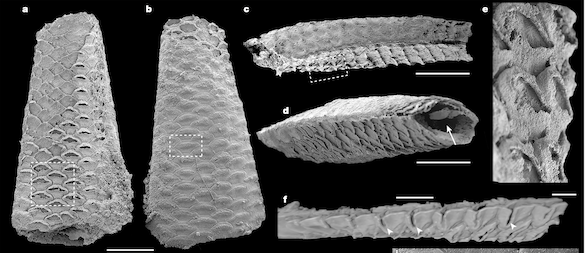
The top images are from Figure 1 (a-f) of Song et al. (2026): Specimen of Protomelission gatehousei from the Xiannüdong Formation in which the membranous sacs are preserved. Scale bars: 500 μm (a–d), 50 μm (e), 200 μm (f).

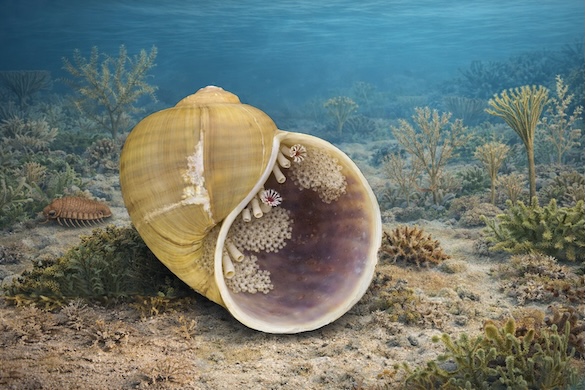
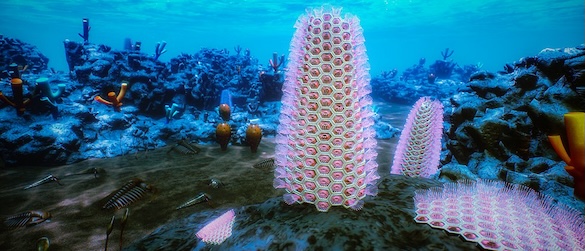
Image above from an Uppsala University press release: “The newly discovered bryozoans were only a few millimetres in size and lived attached to the seabed in shallow tropical seas. The image is a reconstruction of what they may have looked like. Illustration: Zhifei Zhang.”

We can now conclude that Protomelission gatehousei and Dayingomelission hexaclitia are Cambrian bryozoans, and Pywackia is not. The Phylum Bryozoa is known in the fossil record from the early Cambrian. Time to update textbooks and databases!

Editor’s First Note: The post below was written in December 2012 about a purported bryozoan found in Cambrian rocks. This would have been a major find because bryozoans, a major fossilized phylum, were notably missing from the Cambrian record, despite molecular evidence that they must have been there. The fossil described in this old post is almost certainly not a bryozoan, but NOW a recent publication describes clear and distinct bryozoans from the Early Cambrian of Australia and South China: Zhang, Z., Zhang, Z., Ma, J., Taylor. P.D., Strotz, L.C., Jacquet, S.M., Skovsted, C.B., Chen, F., Han, J. & Brock, G.A. 2021. Fossil evidence unveils an early Cambrian origin for Bryozoa. Nature; https://doi.org/10.1038/s41586-021-04033-w. (Note that friend of the department Paul Taylor is among the authors.) The new bryozoan fossil is erect, bilaminate, and secondarily phosphatized. Its taxonomic name is Protomelission gatehousei. Andrej Ernst and I wrote a Nature News & Views article about this fantastic story. Now we all must update our lectures on bryozoans and the Cambrian radiation!

The original December 2012 post (now more than 14 years old!) is below.

_______________________________________________

Screen shot 2012-12-17 at 6.01.54 PMDUBLIN, IRELAND — It was a great day of talks at the 56th Palaeontological Association Annual Meeting being held at University College Dublin. I learned many things, from new ideas about the Burgess Shale and its characteristic fauna to why there is no demonstrated sexual dimorphism among Mesozoic vertebrates. (I also learned that the students in this university must sit in very cramped spaces in chilly rooms. Wooster students: note your classroom comforts!) My favorite talk of the day was one on which I was a co-author: “Is the world’s oldest bryozoan actually the world’s oldest pennatulacean?” Our senior author and genius of the project, Paul Taylor, gave the lecture. I’m presenting here two slides from the PowerPoint presentation. We’ll have much more about this topic when we have our paper on it in press. In the top image you see on the left Pywackia baileyi, a putative Cambrian bryozoan recently described in a high-profile journal. This is a big deal because bryozoans are known as one of the very few phyla not found in the Cambrian. We looked at the evidence and the specimens and quickly concluded this Pywackia baileyi is not a bryozoan. (Tell your friends!). Instead it appears to be pennatulacean-like octocoral. The image in the top right is of Lituaria, a modern pennatulacean. Note how similar these structures are, except for almost an order of magnitude size difference (which is reduced when looking at the range of sizes in other pennatulaceans).

Screen shot 2012-12-17 at 6.03.34 PMIn the above slide from Paul’s presentation you see Pywackia and Lituaria again on the left, and then a variety of living pennatulacean octocorals on the right. We have strong evidence, from the morphology to the possible original phosphatic composition, that Pywackia baileyi is not the earliest bryozoan. We have thus far a good case that it instead represents the earliest pennatulacean octocoral. Again, this story will be developed further later in this blog after our paper is accepted for publication.

Jameson121712The day ended with the traditional, raucous annual Palaeontological Association dinner at the Jameson Distillery in downtown Dublin. In the above image you can see in the foreground on the right Wooster alumna Lisa Park Boush and her husband Carlton. We are among just a scattering of Americans at this European meeting. It was a very pleasant (if very loud) evening!

References:

Landing, E., English, A. and Keppie, J.D. 2010. Cambrian origin of all skeletalized metazoan phyla—Discovery of Earth’s oldest bryozoans (Upper Cambrian, southern Mexico). Geology 38: 547-550.

Song, B., Zhifei Z., Strotz, L.C., Topper, T.P., Ernst, A., Ma, J., Zhang, Z., Luo, M., and Holmer, L.E. 2026. High-fidelity modular skeletons authenticate a Cambrian origin for Bryozoa. Nature; https://doi.org/10.1038/s41586-026-10590-9

Taylor, P.D., Berning, B. and Wilson, M.A. 2012. Is the world’s oldest bryozoan actually the world’s oldest pennatulacean? Palaeontological Association 56th Annual Meeting, Dublin, Ireland, Programme and Abstracts, p. 52.

Zhang, Z., Ma, J., Taylor. P.D., Strotz, L.C., Jacquet, S.M., Skovsted, C.B., Chen, F., Han, J. & Brock, G.A. 2021. Fossil evidence unveils an early Cambrian origin for Bryozoa. Nature; https://doi.org/10.1038/s41586-021-04033-w.

Posted in Uncategorized | Tagged , , , , | Leave a comment

Wooster’s connection to the world’s deepest bryozoans

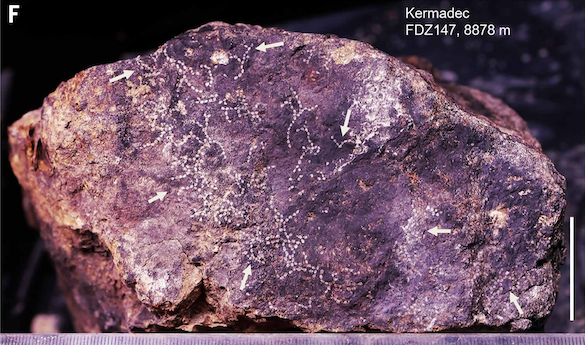
Earlier this month a remarkable paper appeared in the journal Science entitled: “Protist-­dominated hard substrate faunas thrive at the deepest ocean depths”. If you know any of my scientific enthusiasms, you know I very much love hard substrate faunas through space and time. The article by Song et al. (2026) describes a community of organisms found by the submersible Fendouzhe at extreme hadal depths (9,000 to 10,898 meters) in the Kermadec and Mariana trenches. Among the 32 species is a little soft-bodied bryozoan given the name Pierrella fendouzhei. Again, among my scientific passions is the study of bryozoans. This particular species now has the depth record for the Phylum Bryozoa: 9981 meters, about 6.2 miles down. For context, the wreck of the Titanic is 3800 meters deep, so Pierrella fendouzhei is living on rocky surfaces up to 2.5 times deeper than the legendary ship. The top image is from Figure 1F of Song et al. (2026). It shows Pierrella fendouzhei as series of connected white ovals. The scale bar is 3 cm.

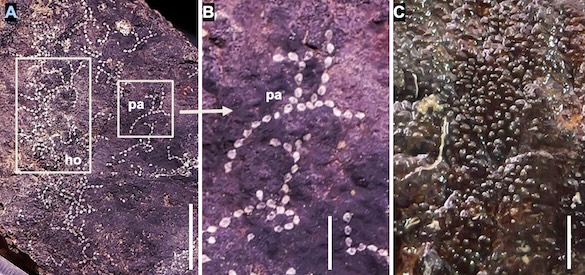
Now the Wooster connection. The genus Pierrella was first described and named by me and Paul Taylor in 2012 for a group of delicate fossils inside ammonite conchs collected from the Upper Cretaceous (Campanian-Maastrichtian) of the Pierre Shale in South Dakota and Wyoming (Wilson and Taylor, 2012; see figure above; scale bars are 10 and 5 mm respectively). The fossils show a spindly series of connected tear-drop shapes that were entombed by exquisite mineralization. The original bryozoans were entirely soft-bodied, so this is a rare form of preservation. We collected these fossils on an Independent Study field trip in 2008 with Wooster student John Sime.

So the first described Pierrella bryozoan was a 70-million-year-old fossil from the Cretaceous Western Interior Seaway of North America. It probably lived in these shell interiors at the muddy bottom of these roughly 700 meters down. Above is an image of an ammonite internal mold with chains of Pierrella zooids.

In 2018, a Russian-led scientific team collected metalliferous seafloor nodules in the Clarion-Clipperton Fracture Zone of the eastern Pacific at roughly 5000 meter depths (Grischenko et al., 2018). Astonishingly, they found living examples of our bryozoan Pierrella. This genus now had an unusual two-point distribution: a Cretaceous inland seaway and a modern deep-sea rocky substrate, with nothing in between. It is (for a bryozoologist) like finding a living Tyrannosaurus rex with no fossils between them! Above images are from figure 2 of the later analytical paper by Schwaha et al. (2021): (b) colonies attached to the surface of an arenaceous foraminiferan, showing dispersed zooids and thin proximal cystid appendage; (c) a single zooid; (d) the apertural folds — our Pierrella pleated collar! (Abbreviations: ap – aperture, pca/cd – proximal cystid appendage/cd, z – zooid.)

Then came this month’s Song et al. (2026) paper described above, which nearly doubled the depth record of Pierrella to 9981 meters. These authors also used Pierrella as the type genus of a new bryozoan family (Pierrellidae), and they commented on its archaic nature having implications for the evolution of ctenostome bryozoans, a topic also explored by Schwaha et al. (2021). The above images are from Song et al. (2026, fig. S10).

So what explains this extraordinary hiatus between the Cretaceous Pierrella and its living relatives? It is no doubt attributable to the small soft-bodied composition of Pierrella, along with cryptic habitats. The Cretaceous specimens were only found because of rapid fine-grained mineralization that enveloped their colonies shorty after burial. (And that some paleontologists were looking for cryptic fossils inside shells.) Ordinarily Pierrella had little chance of making it into the fossil record. Even the living Pierrella is difficult to see. Song et al. (2026) write that it “was almost invisible and easily overlooked, owing to its transparency and the rough black ferromanganese layers on the rock surfaces that it encrusts”. This is yet another example of how much the fossil record is controlled by the vagaries of preservation.

References:

Grischenko, A.V., Gordon, D.P., and Melnik, V.P. 2018. Bryozoa (Cyclostomata and Ctenostomata) from polymetallic nodules in the Russian exploration area, Clarion-Clipperton Fracture Zone, eastern Pacific Ocean-taxon novelty and implications of mining. Zootaxa, 4484(1), 1-91.

Schwaha, T., Grischenko, A.V., and Melnik, V.P. 2021. Morphology of ctenostome bryozoans: 4. Pierrella plicata. Journal of Morphology. doi: 10.1002/jmor.21344

Song, X., Gooday, A.J., Gordon, D.P., Leduc, D., Sun, Y., Wang, Z., He, Q., Gao, Z., Ruthensteiner, B., Waeschenbach, A. and Schwaha, T. 2026. Protist-dominated hard substrate faunas thrive at the deepest ocean depths. Science, 392(6799), p. 749-754.

Wilson, M.A. and Taylor, P.D. 2012. Palaeoecology, preservation and taxonomy of encrusting ctenostome bryozoans inhabiting ammonite body chambers in the Late Cretaceous Pierre Shale of Wyoming and South Dakota, USA. In: Ernst, A., Schäfer, P. and Scholz, J. (eds.) Bryozoan Studies 2010; Lecture Notes in Earth Sciences 143: 399-412.


Posted in Uncategorized | Tagged , , | Leave a comment

ESCI Senior Independent Studies 2026 – Lynnsey Delio

Advised by: Dr. Wiles

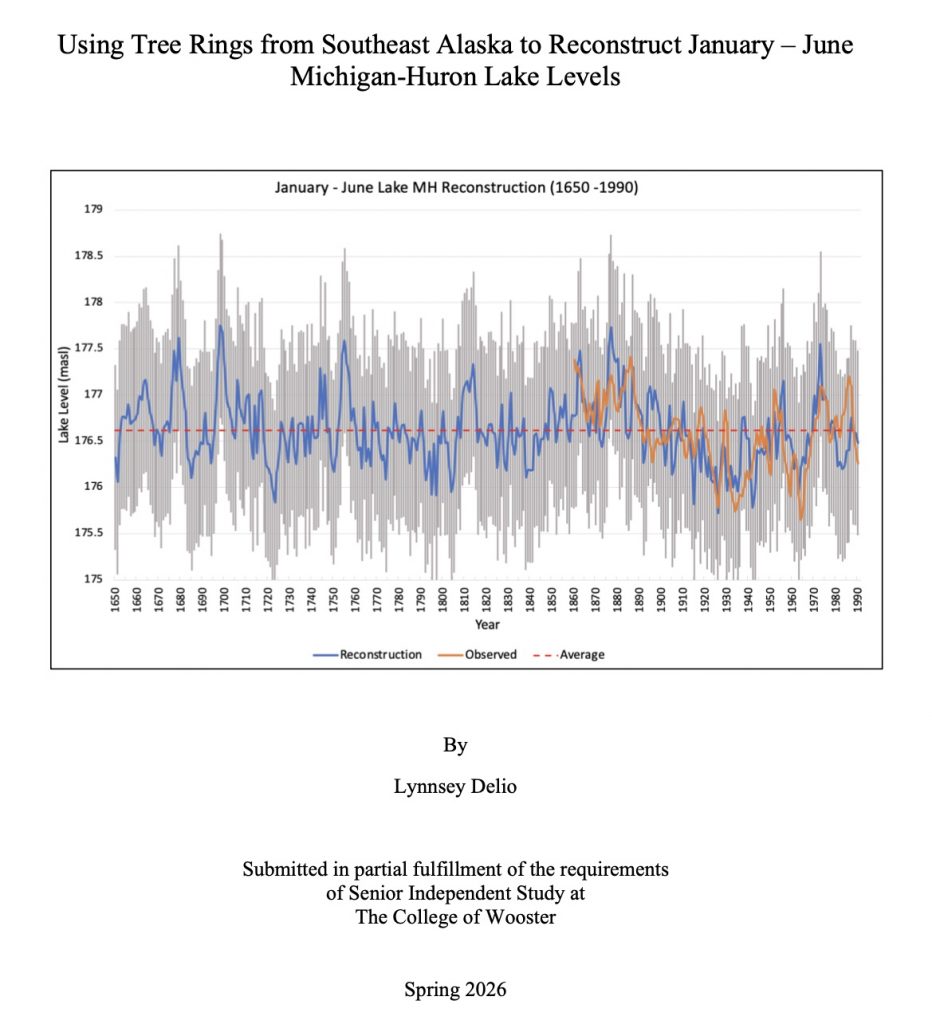
Abstract: Reconstructing and understanding historical lake levels provides information about how climate influences lake level fluctuations, which is important for managing Lake Michigan- Huron’s (MH) coasts. This study reconstructs historical MH lake levels using ten ring-width chronologies from Southeast Alaska, which are significantly correlated at the 0.01 confidence level with January – June average MH lake levels. Tree ring chronologies from Southeast Alaska can be used to create a model of MH because of atmospheric teleconnections, like the Pacific North American Pattern (PNA), which produce similar atmospheric pressure anomalies across both regions. The model explains 33.8% of the variance in MH lake levels (January – June), and the validity of the model was tested through a series of calibration and verification statistics, confirming a well-verified stable relationship through time.

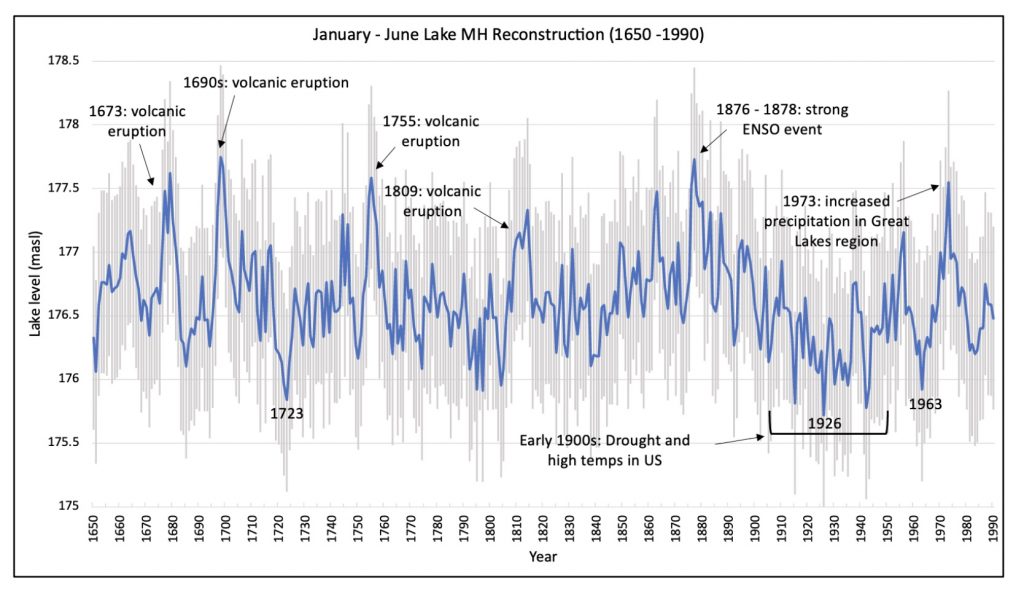
Findings indicate that MH lake level fluctuations are primarily based on large-scale atmospheric climate patterns that may be altered by human activity, volcanic eruptions, or strong climate events. Reconstructed high lake levels are attributed to volcanic activity in the 1690s, 1673, 1755, and 1809 and a strong El Niño event from 1876 to 1878, whereas lows are attributed to droughts, corresponding with the conditions of the 1930s Dust Bowl. MH lake levels are negatively correlated with the Pacific North American Pattern (PNA), indicating higher lake levels during a negative PNA. Understanding why lake levels reached highs and lows in the past will give insight into lake level behavior in the present and into the future, helping manage MH’s coasts and protect shorelines.

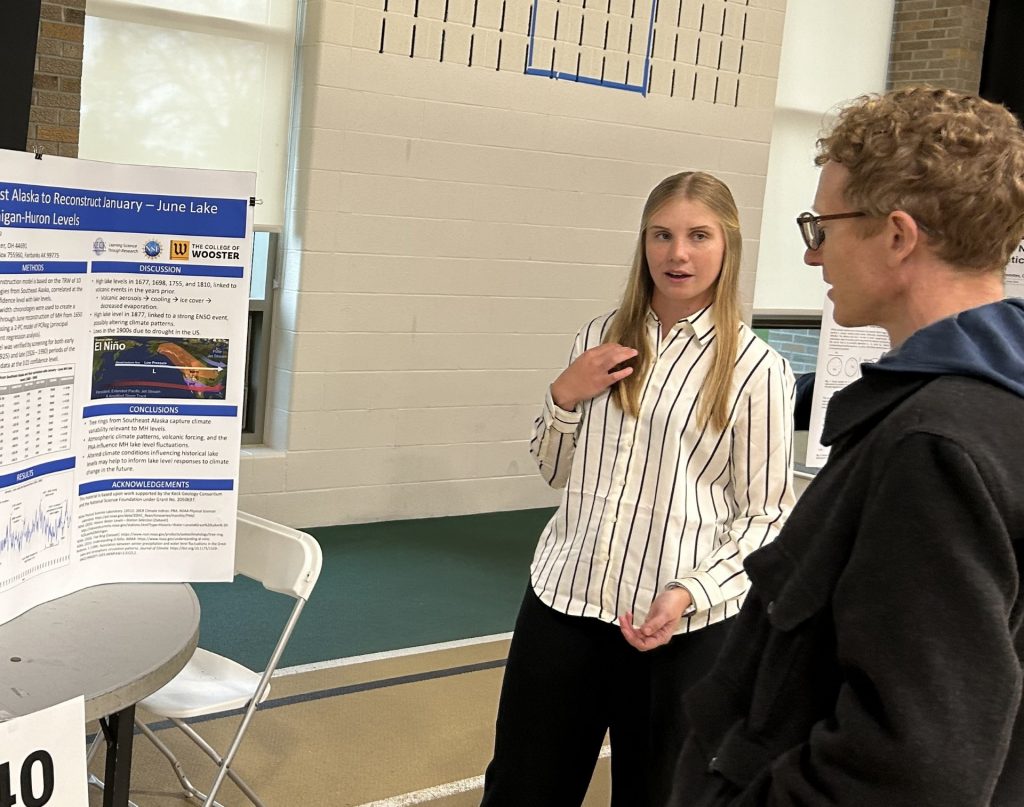
Lynnsey explaining the results of her project at senior I.S. Symposium.

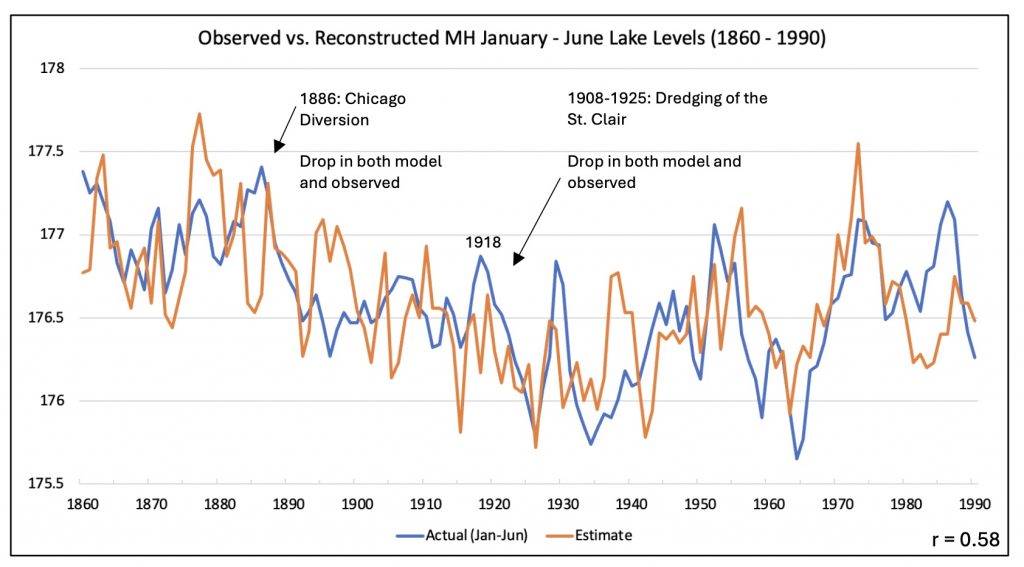
Reconstruction lake levels vs. actual lake levels (Jan – June). Drops in lake levels occur after the dredging of the Chicago Diversion (1886) and the dredging of the St. Clair River (1908 – 1925). However, the model also depicts drops at the same intervals, so these events may not have had an extraordinary impact on lake levels.

Reconstruction of January – June MH lake levels (1650 – 1990). Many of the early highs are linked to volcanic eruptions and later highs and lows are linked to regional or global climate events. Gray bars represent the 95% confidence interval derived from the root squared mean error (RSME).

Posted in Uncategorized | 1 Comment

ESCI Senior Independent Studies 2026 – Mary Palmieri

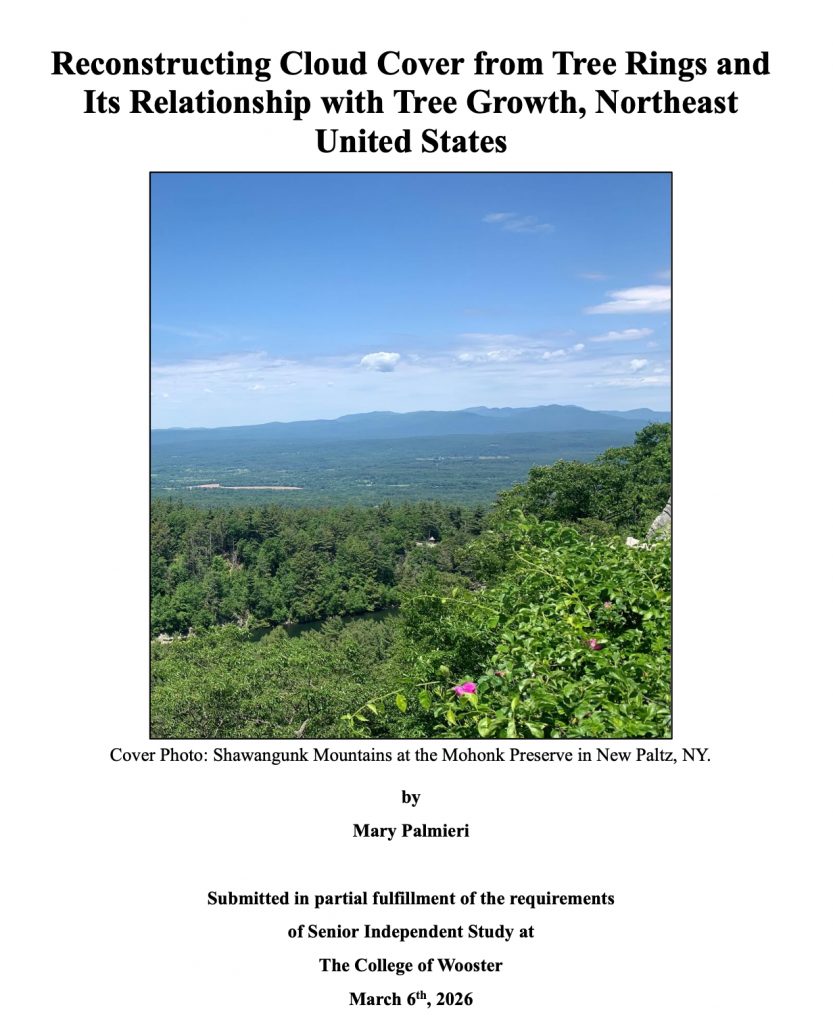
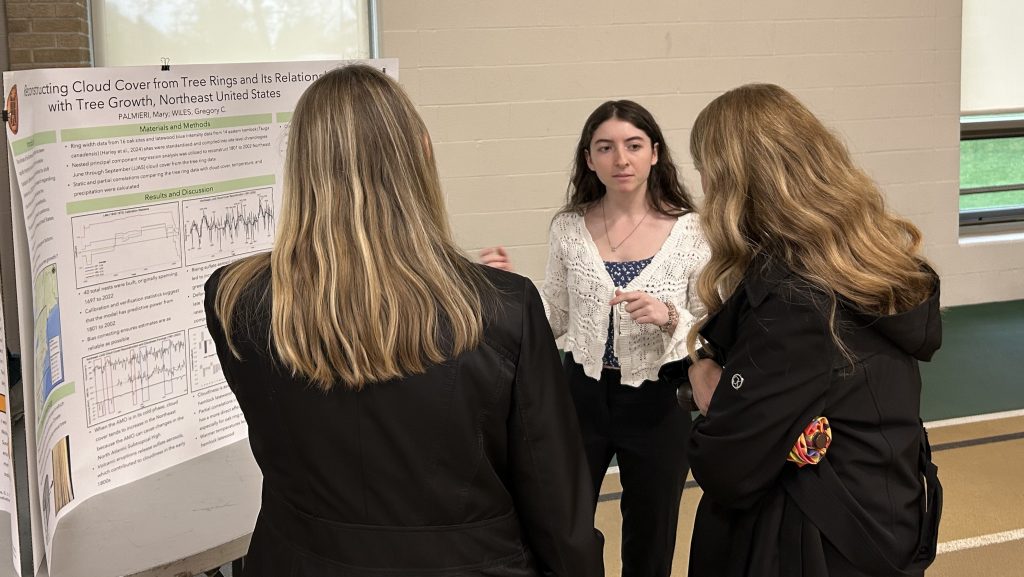
Mary Palmieri’s senior IS was one of the first attempts at using tree-rings to reconstruct cloud cover. A double major in Earth Sciences and Statistical and Data Sciences, Mary was advised by Drs. Wiles and Pasteur.

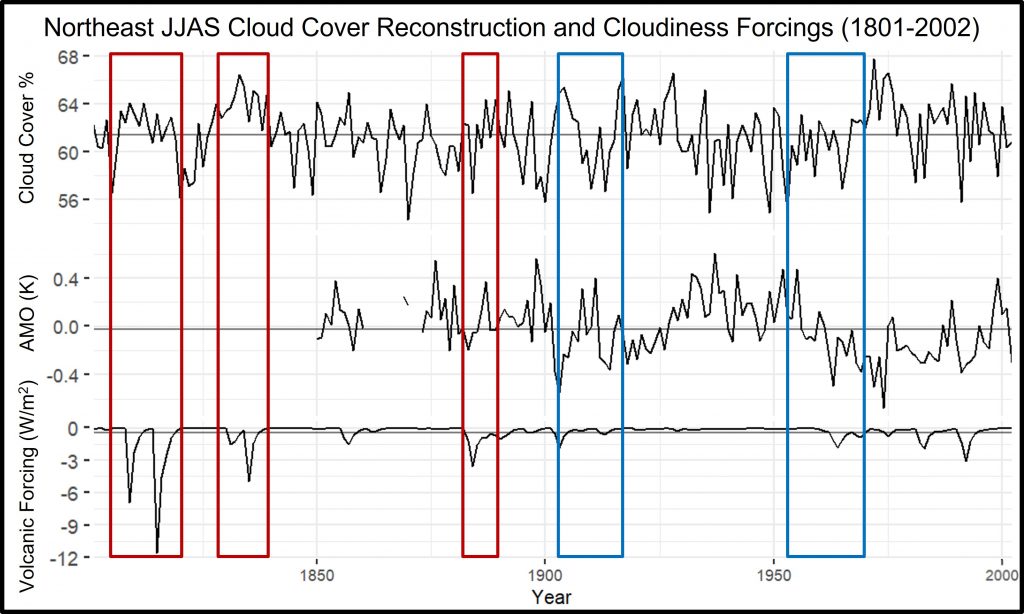
Abstract: The climate of the Northeast United States has been changing rapidly since the 1970s, and cloud cover poses one of the biggest unknowns in climate modeling. Cloudiness has the potential to influence tree growth, and the temperate forests of the Northeast are poorly understood. In this study, nested principal component regression analysis was utilized to build a reconstruction of June through September (JJAS) cloud cover in the Northeast United States from 1801 to 2002. Ring width data from various oak species and latewood blue intensity data from eastern hemlock (Tsuga canadensis) were used to create a time series that explains at most 43.18% of the variance in average Northeast JJAS cloud cover. The reconstruction suggested that cloudiness in the 1800s and early 1900s was primarily forced by volcanoes and widespread deforestation. After the 1950s, cloud cover changes were dominated by rising sulfate aerosol and greenhouse gas emissions. Shifts in the 1920s and 1970s were likely intensified by coeval changes in the Atlantic Multidecadal Oscillation and Pacific Decadal Oscillation, respectively. High summer cloudiness is associated with less dense hemlock latewood and wider oak annual rings. However, precipitation has a more direct effect on tree growth than cloud cover. Hemlock trees are most impacted by decreased light availability and cloud-induced temperature changes, whereas oak trees are primarily limited by moisture. This study lays the groundwork for future paleoclimatic reconstructions of cloud cover using tree rings and provides a better understanding of Northeast temperate forest climate interactions, which will be integral given the uncertainty clouds pose in the wake of modern climate change.

Mary describing the results of her work during the senior IS Symposium.

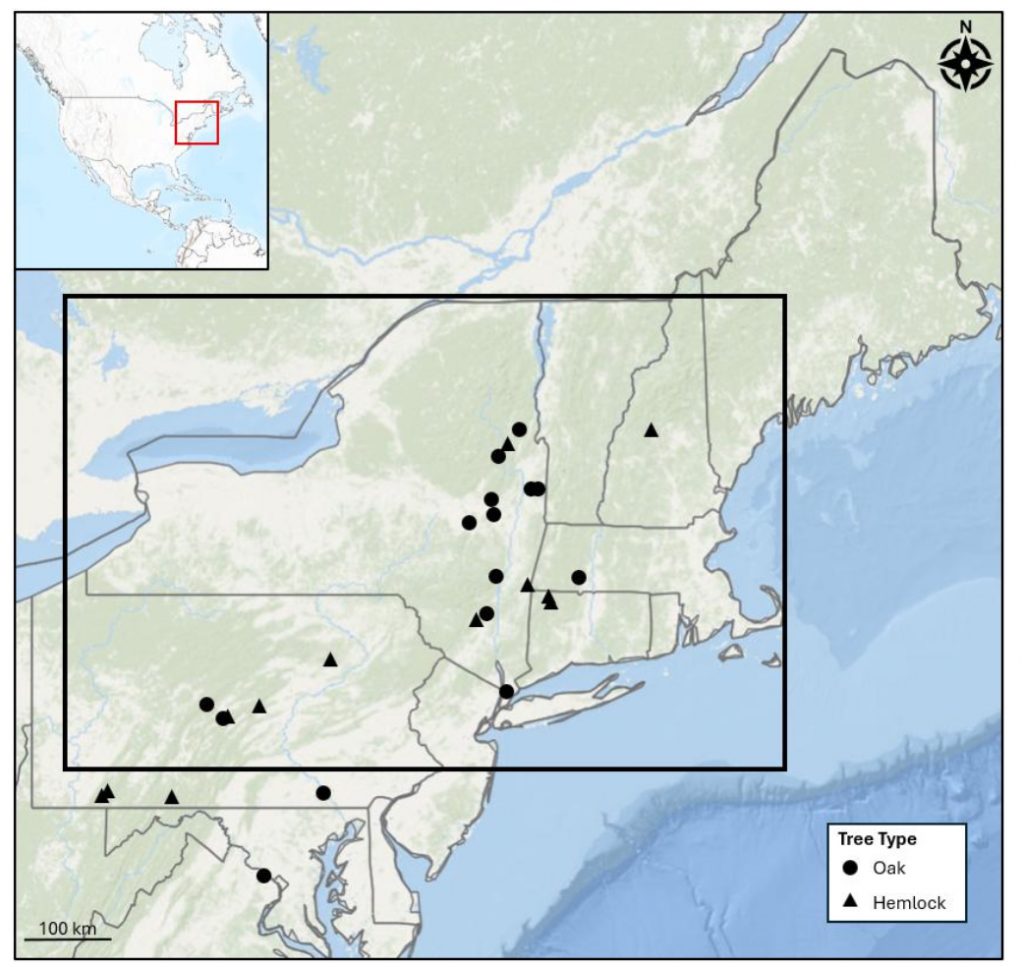
Map showing the locations and correlations of the 30 chronologies used in the modeling. These all have significant correlations at the 95% confidence level with 1906 to 1973 average JJAS
cloud cover inside the region bound by the black rectangle.

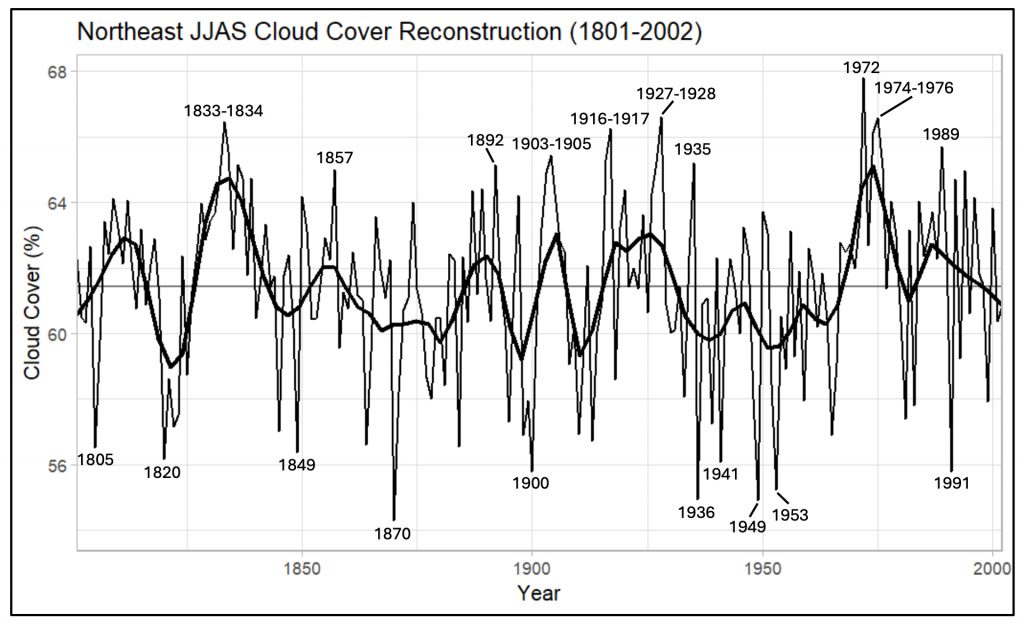
Northeast JJAS cloud cover reconstruction in percentage from 1801 to 2002. Both the original reconstruction and a smoothed version are shown. The top ten highest and lowest cloud cover events are labeled with the respective years. The horizontal line indicates the mean.

JJAS Northeast cloud cover reconstruction, JJAS AMO, and annual global volcanic forcings from 1801 to 2002. Horizontal gray lines indicate the mean. The red boxes highlight time periods where volcanic eruptions may have influenced cloud cover, and the blue boxes show when the 35-year running correlation between the cloud cover reconstruction and the AMO was significant at a 95% confidence level.

Posted in Uncategorized | 1 Comment

A new paper: Two problematic sclerobiont species that survived the Ordovician-Silurian extinction event

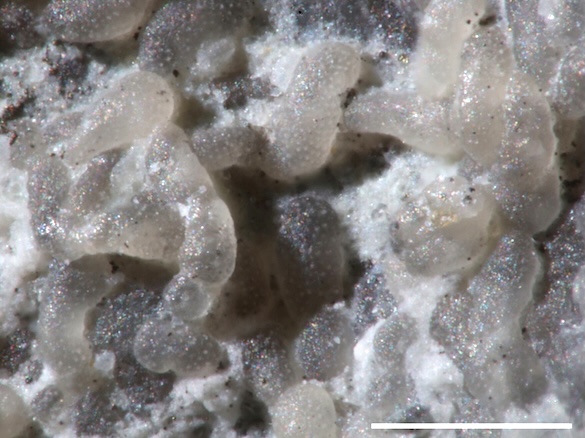
It was again my privilege to join my Estonian colleagues on a paper (published today in Palaeoworld) describing sclerobionts (hard-substrate dwelling organisms) from the Lower Paleozoic. This time we record the earliest species of the problematic genus Allonema, finding them in the Upper Ordovician, a range extension downward from the Lower Silurian. Of particular interest is the observation that these two species passed through the end-Ordovician mass extinction, appearing as common encrusters in the Lower Silurian. This survival is no mean feat considering this extinction eliminated up to 70% of marine species (Zhang et al., 2025). The image above is one of the species, Allonema moniliforme (Whiteaves, 1891), from the lower Katian of northern Estonia (GIT 770-1-6), Figure 8A of the paper. The scale bar is 0.5 mm. (These are very small!)

Abstract.–Two species of the encrusting calcitic sclerobiont Allonema have been identified for the first time in the Ordovician. Allonema moniliforme and A. botellus were originally known only from the Silurian but are here recorded from the Katian (Upper Ordovician) of Estonia. A. moniliforme reappears in the Rhuddanian–Aeronian of Estonia, and A. botellus emerges again in the Sheinwoodian of Gotland. Both species are unknown in the Hirnantian (latest Ordovician), and both survived the end-Ordovician extinction. Both species lived in similar, calm, muddy environments during their Ordovician and Silurian appearances. During the Silurian, Allonema was a much more common and widespread encruster than in the Ordovician, occurring on a broad range of biogenic hard substrates. This difference may reflect ecological and evolutionary shifts following the Late Ordovician mass extinction, which reorganized marine ecosystems and opened new niches. A. botellus maintained a stable morphology across the Ordovician–Silurian boundary, A. moniliforme underwent a narrowing of its morphological variability, possibly reflecting evolutionary canalization or shifts in ecological pressures over time.

Note that we do not explain exactly what Allonema was. It is a beautiful little series of connected calcitic chambers with numerous pores. They are always found encrusting hard substrates, usually shells. Paul Taylor and I (Wilson and Taylor, 2014) referred to them as “pseudobryozoans” because they were commonly confused with real bryozoans. We’re sure they were not foraminiferans, either. They for now are classified as incertae sedis (meaning “uncertain placement”).

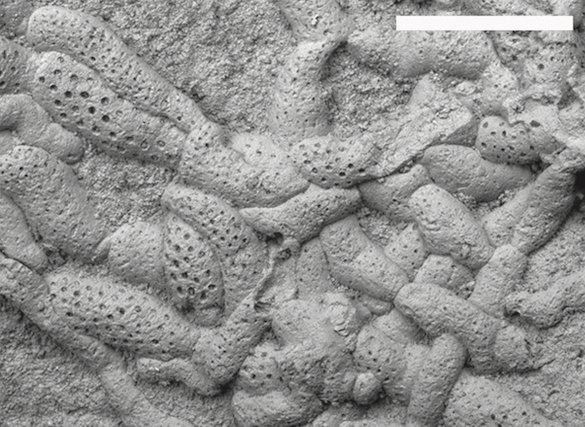
This gives me an excuse to include one of Paul Taylor’s wonderful scanning electron microscope images below.

Allonema from the Silurian of Gotland, Sweden. From Figure 1D of Wilson and Taylor (2014); Scale bar is 500 µm.

A fun mystery, Allonema is, and now we know just a bit more about it.

References:

Vinn, O., Wilson, M.A., Toom, U., Tinn, O. and Lang, L., 2026. Two species of Allonema: Problematic sclerobionts that survived the end-Ordovician extinction in Baltica. Palaeoworld, p.201104.

Wilson, M.A. and Taylor, P.D., 2014. The morphology and affinities of Allonema and Ascodictyon, two abundant Palaeozoic encrusters commonly misattributed to the ctenostome bryozoans. Studi Trentini di Scienze Naturali, 94, p. 259-266.

Zhang, Z., Yang, C., Sahy, D., Zhan, R.B., Wu, R.C., Li, Y., Deng, Y., Huang, B., Condon, D.J., Rong, J. and Li, X.H., 2025. Tempo of the Late Ordovician mass extinction controlled by the rate of climate change. Science Advances, 11(22), p.eadv6788.

Posted in Uncategorized | Tagged , , , | Leave a comment

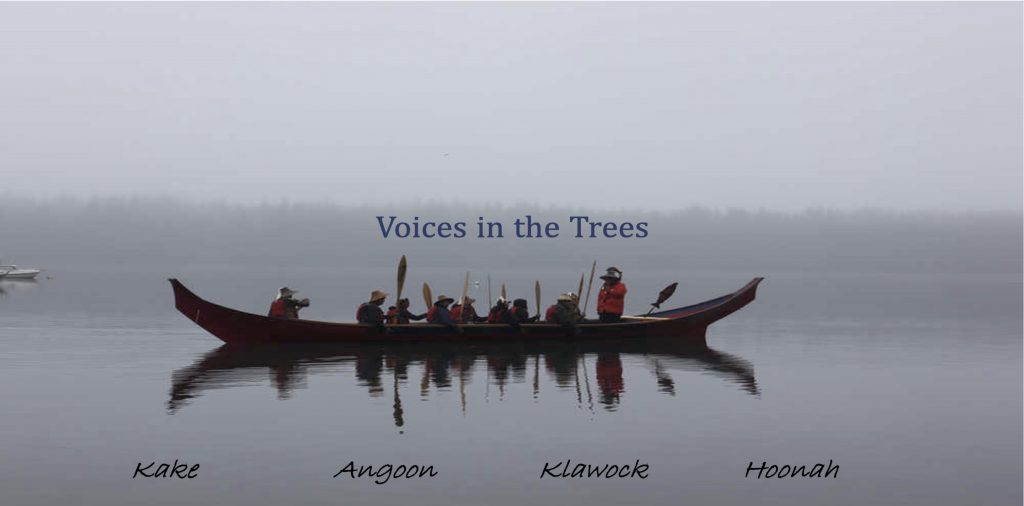
Voices in the Trees: Update on the Alaska Youth Stewards and The College of Wooster Tree-Ring Lab Collaboration at Five Years

Participants: Greg Wiles, Nick Wiesenberg, Ben Gaglioti, Daniel Mann, Gabrielle Sjoberg, Eloise Peabbles, Eric Benedict, Julian Narvaez, Bob Girt, Arianna Lapke, Lilly Hinkley, Amanda Flory, Michail Protopapadakis, Wenshuo Zhao, Tyrell Cooper,  Lynnsey Delio, Isabel Held, Dexter Pakula, Landon Vaughan, Lev Sugerman-Brozan, and AYS students.

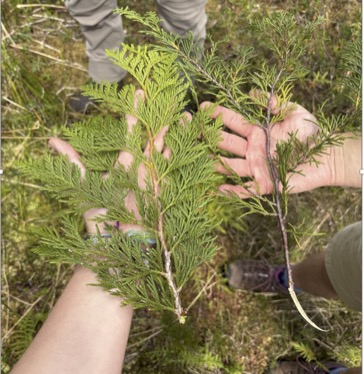
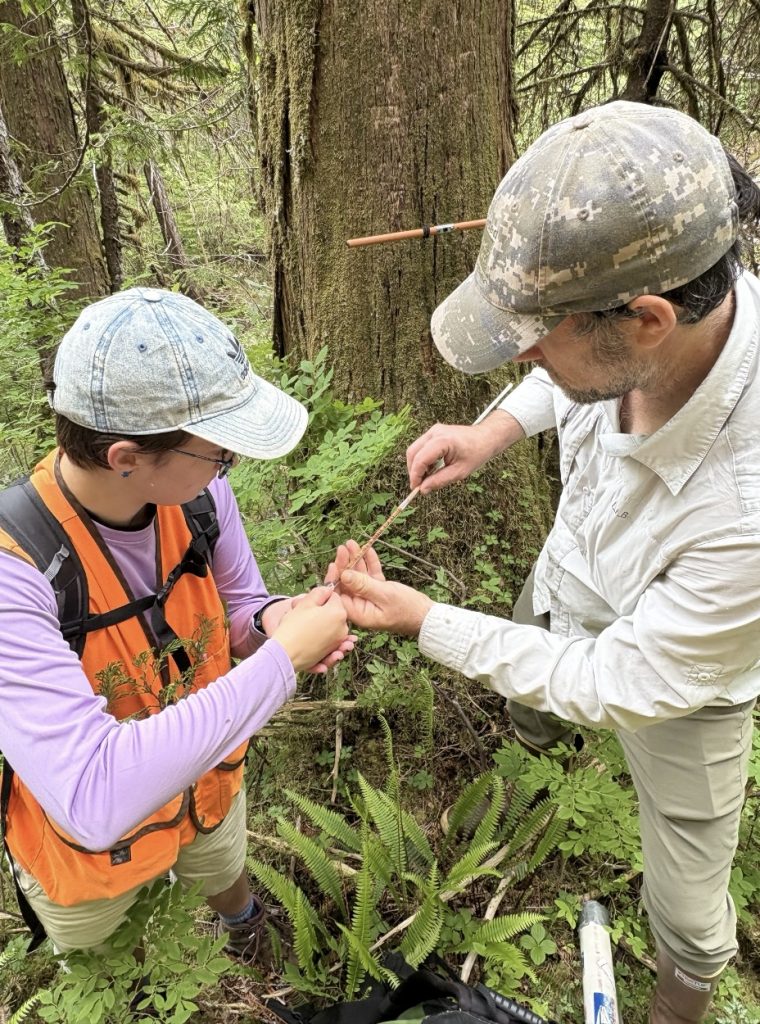
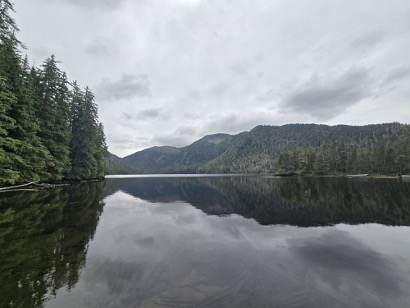
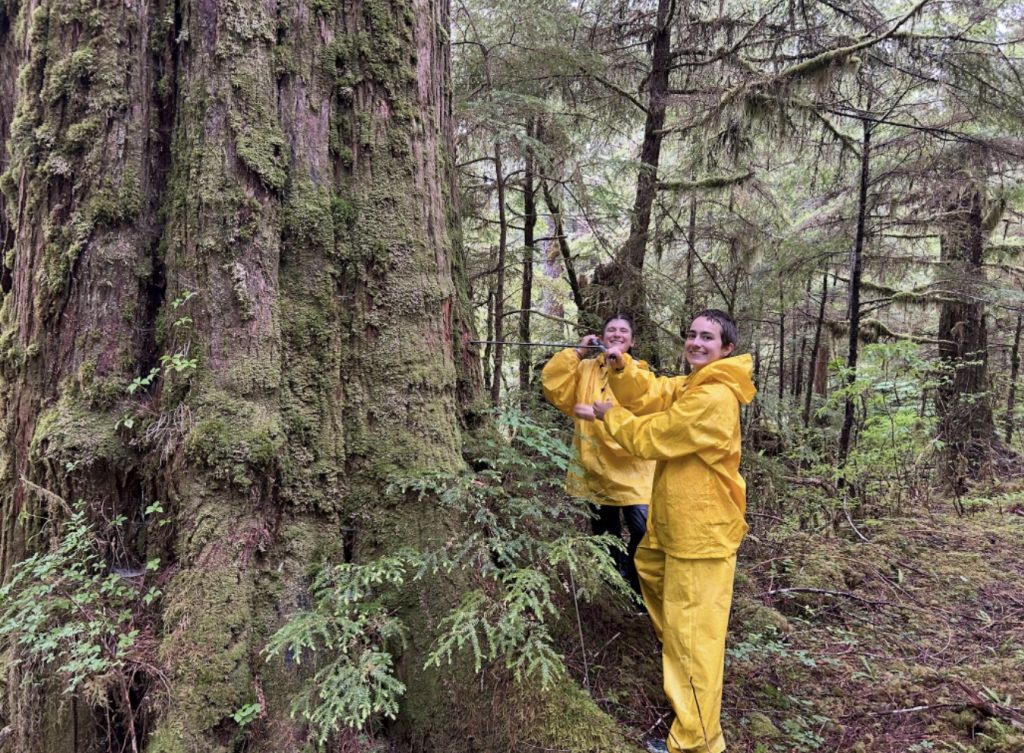
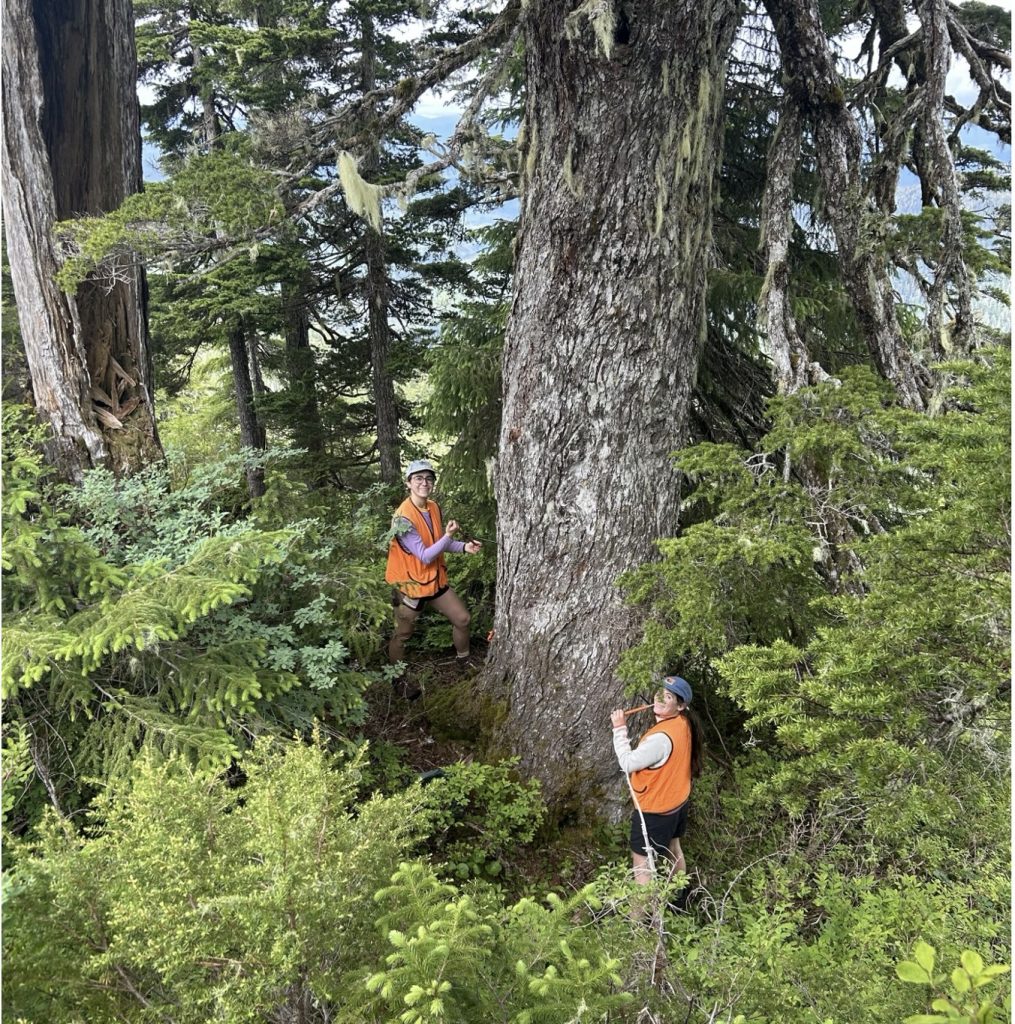
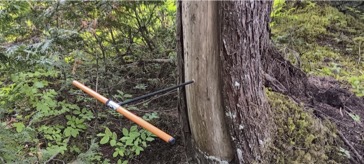
General: For the past five years faculty, staff, and students from The College of Wooster Tree Ring Lab, University of Alaska, Fairbanks and the Alaska Youth Stewards (AYS) from Kake, Hoonah, Angoon and Klawock in Southeast Alaska (SEAK) have been collaborating to understand environmental change through the collection of tree-ring data. Together, we sampled and processed eight tree-ring chronologies from a previously under-sampled region of SEAK. These data are records of past climate with direct linkages to cultural and land-use histories. The collection includes the first two western redcedar (Thuja plicata) series for Alaska, one from Kake based on the farthest known north stand of redcedar in its natural range and the other from Klawock. The remaining chronologies include three Alaska yellow cedar (Callitropsis nootkatensis) series from Kake, Hoonah and Klawock, a Sitka spruce (Picea sitchensis) series from Angoon, and two mountain hemlock (Tsuga mertensiana) series from Hoonah and Angoon.

Background: The collaboration started remotely in the summer of 2021 – the summer of 2022 was a visit to Kake, then Hoonah (2023), Klawock (2024) and then in 2025 Angoon. Throughout the years, all the AYS (Alaska Youth Stewards) groups continued coring trees and sending samples to The Wooster Tree Ring lab and meeting online.
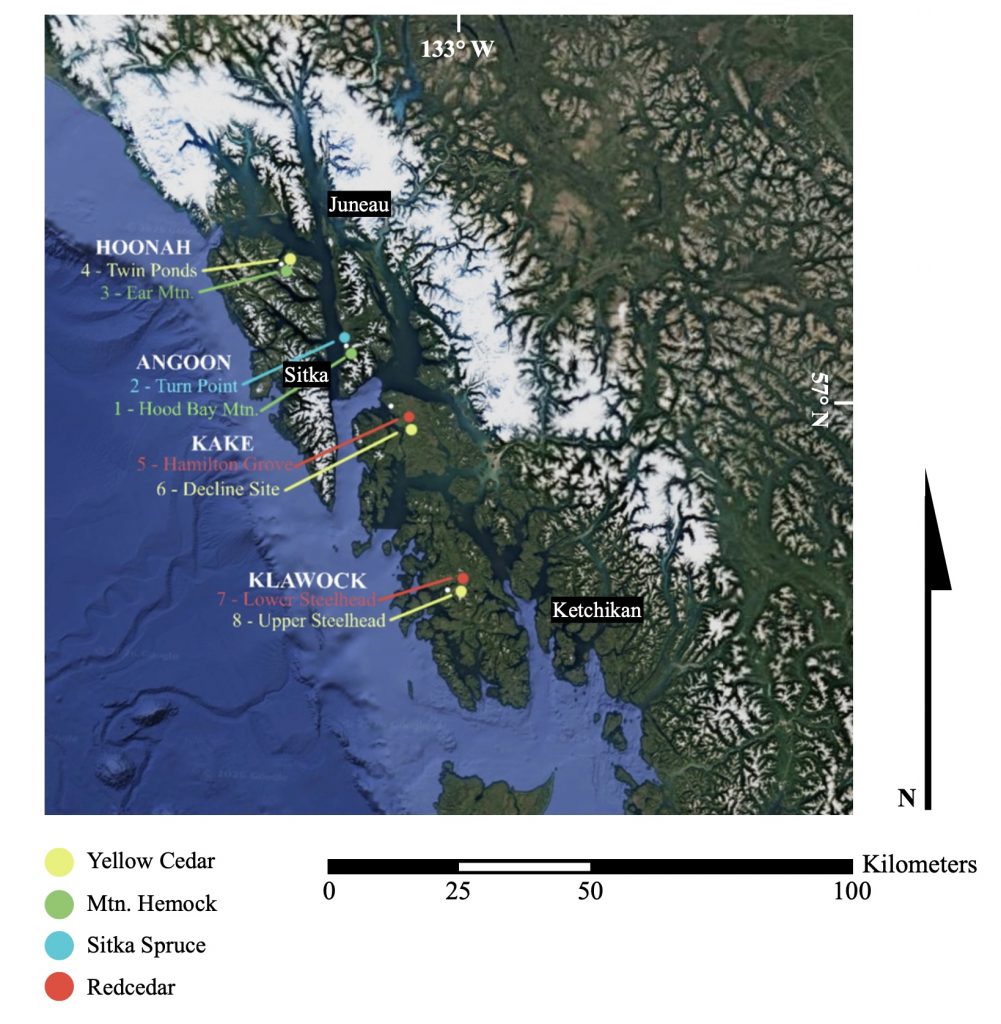
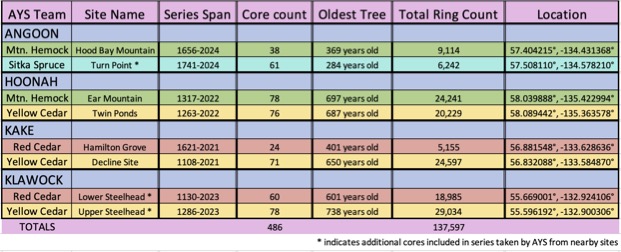
Map showing the location of the eight ring-width sites from Southeast Alaska. Table 1 shows the attributes of each of these chronologies. Note the natural north south transect on which these collections fall.

Table 1. List of the 8 tree-ring sites generated through this collaboration.

KAKE

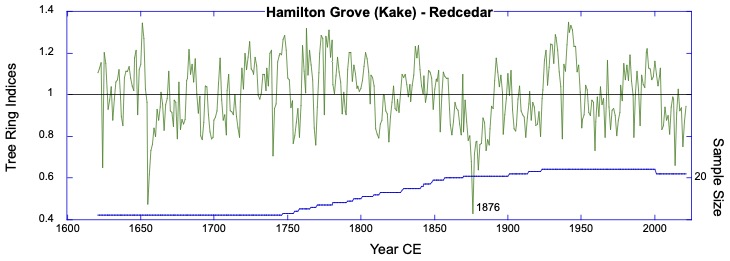
The Hamilton Grove chronology from Kake western redcedar. This redcedar chronology is the first for Alaska and was sampled at the northernmost redcedar site. Other sites further north have been reported, but are not confirmed (pers. comm. B.Buma). The climate signal here is a strong positive relationship with winter temperatures.

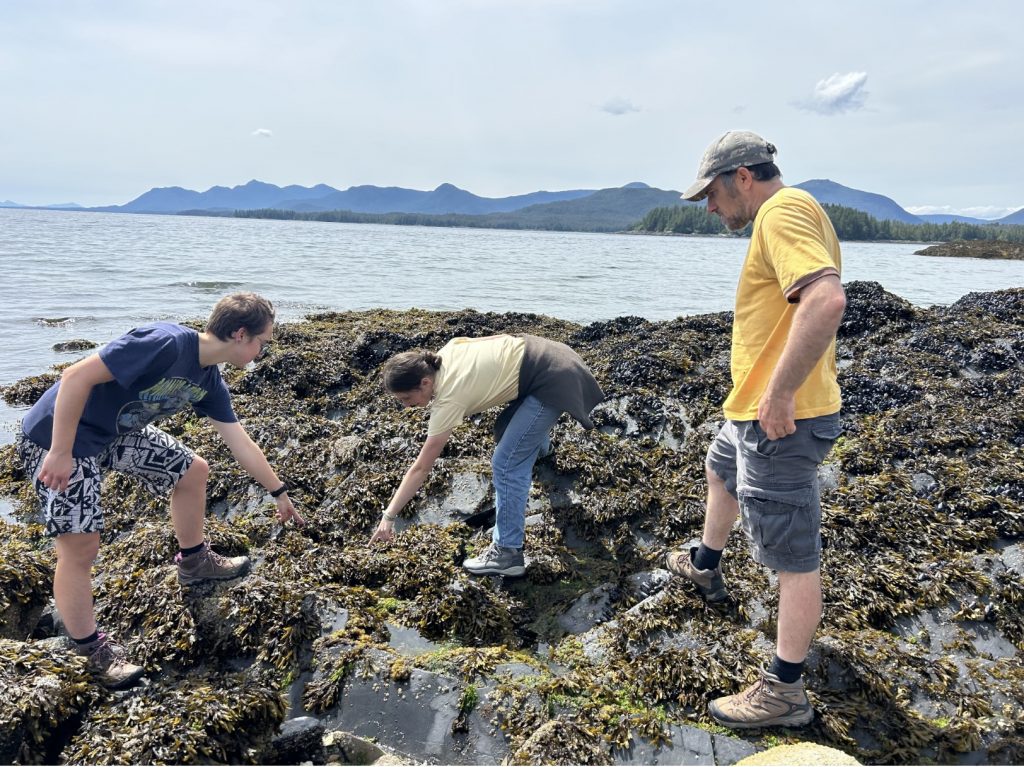
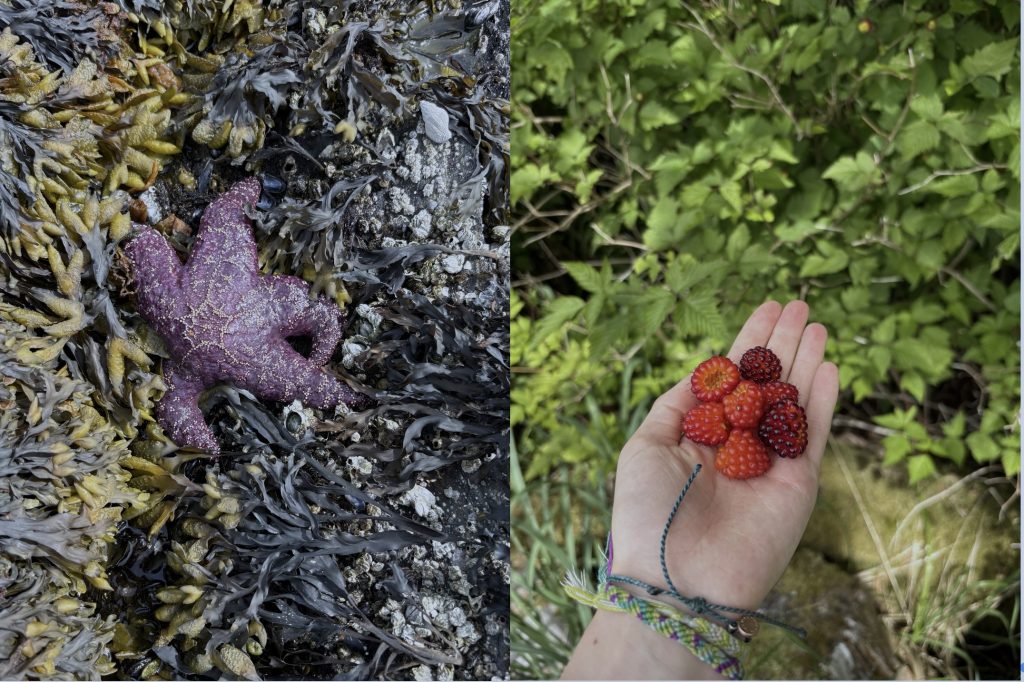
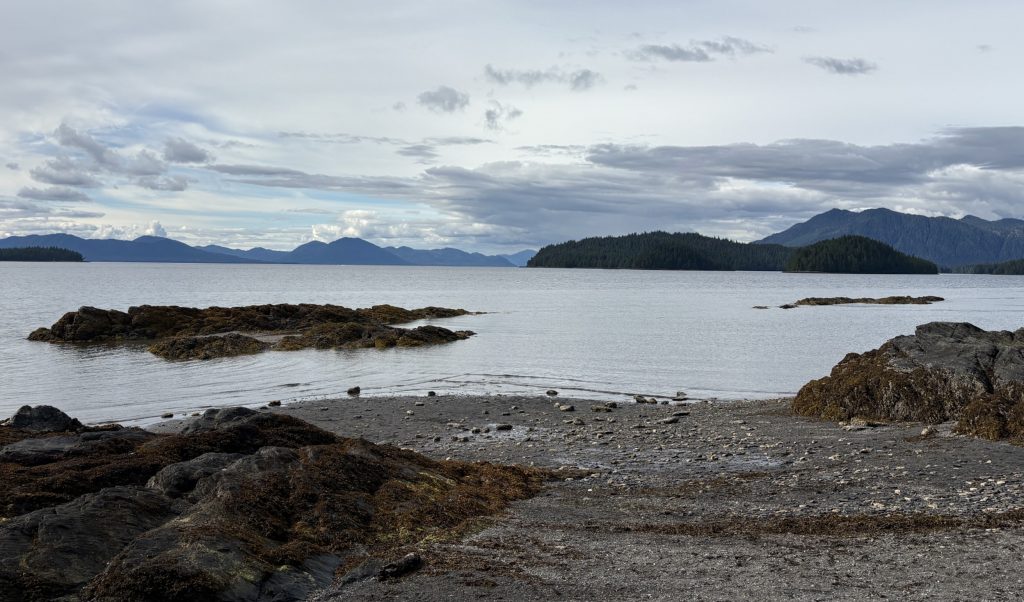
Initial analyses of the red cedar site on a beautiful day on the shores outside of Kake.

Berry picking was high on the list after the work was done.

HOONAH

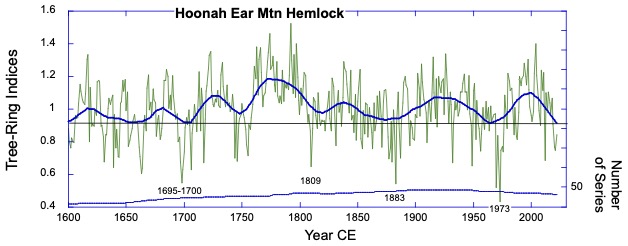
The Hoonah Ear Mountain hemlock site. This site strongly reflects some of the volcanically-forced marker years from the region (late 1690s, 1809, 1883) along with the enigmatic year of 1973, which is a narrow marker year with an uncertain climatic reason.

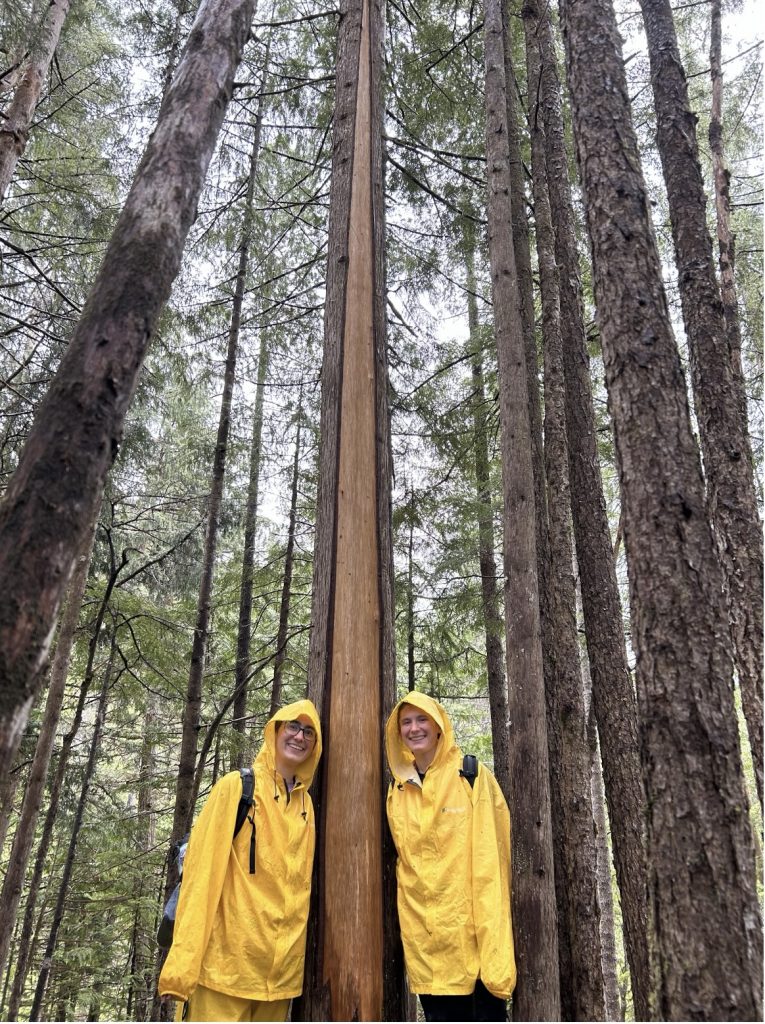
 Alaska yellow cedar near Hoonah stripped between 2001 and 2006 CE (Common Era). The year of stripping was determined by coring within and outside of the scar and then taking the difference between the total rings in each core. The stripping is sustainable and not detected as a decline in growth in the ring-width series.
Pickling bull kelp in Hoonah.

KLAWOCK

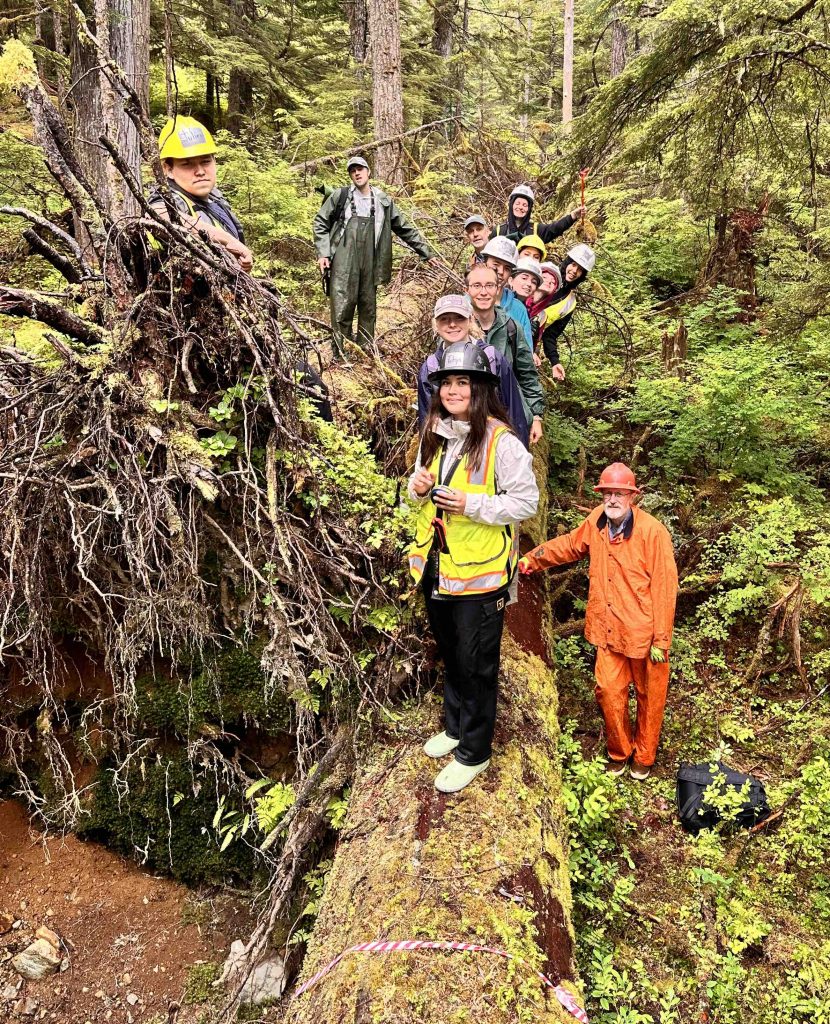
The Klawock-Wooster group in the forest.

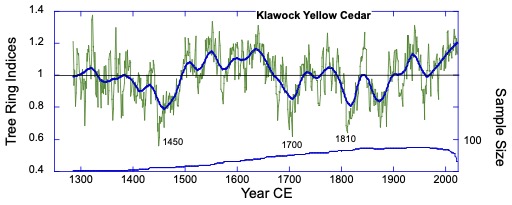
Yellow cedar ring-width series from Klawock – three of the major Northern Hemisphere cooling volcanic eruptions are evident in the record. Comparisons with monthly minimum temperatures from Ketchikan show that March-September correlates most strongly (r = 0.39, p < 0.006, N = 67).

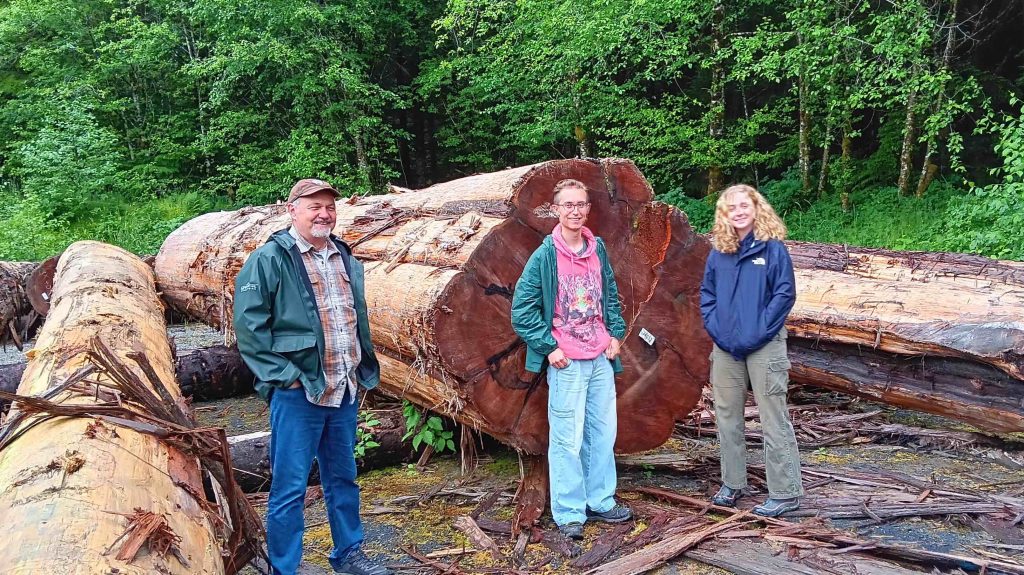
Posing in the yard where yellow and red cedar logs are archived for the artists that will choose these giants for carving canoes and totems.

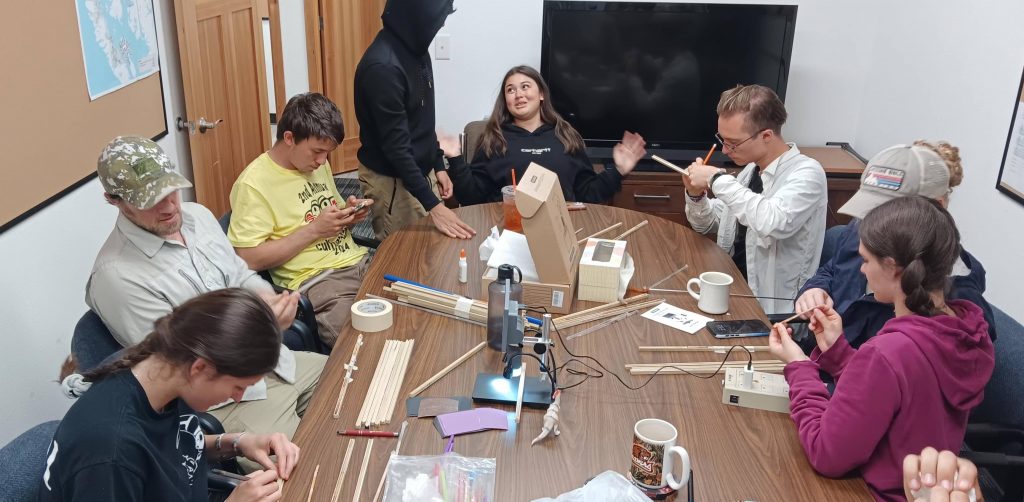
The group working on yellow cedar cores.

ANGOON

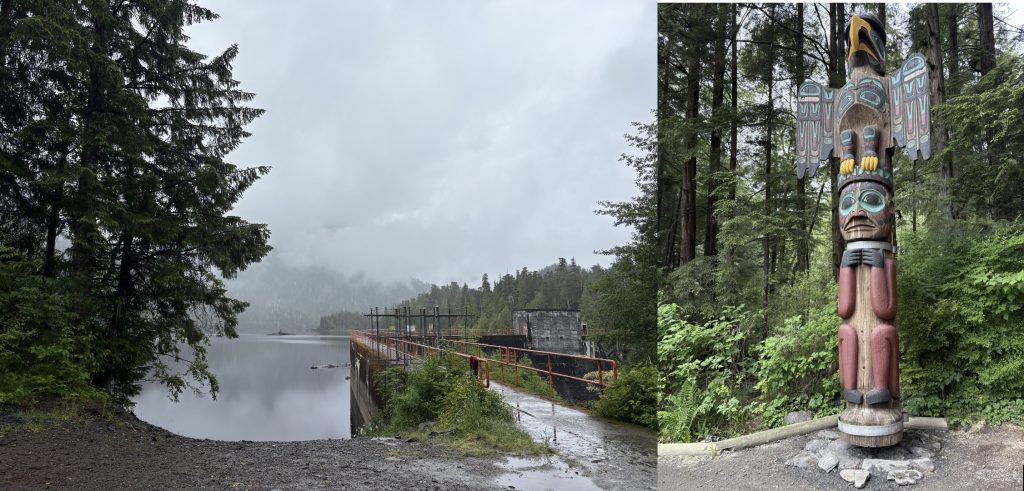
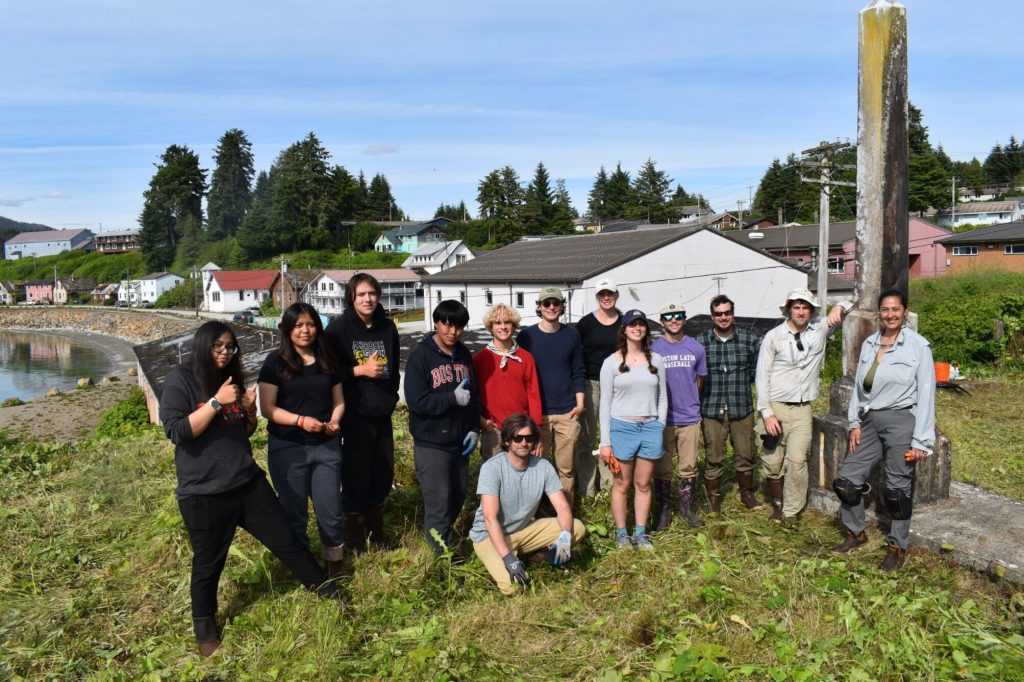
S’eiltin Jamiann Hasselquist (far right) directed the group for a few days of cemetery work in Angoon.

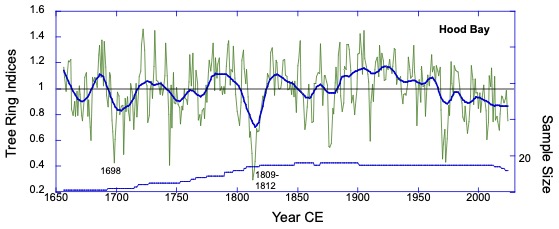
The Hood Bay Mountain, mountain hemlock ring-width chronology. This series is a record of June-August temperatures and shows the volcanic cooling associated with volcanic eruptions at 1698 and 1809. Note also the drop-off after the mid-1970s.

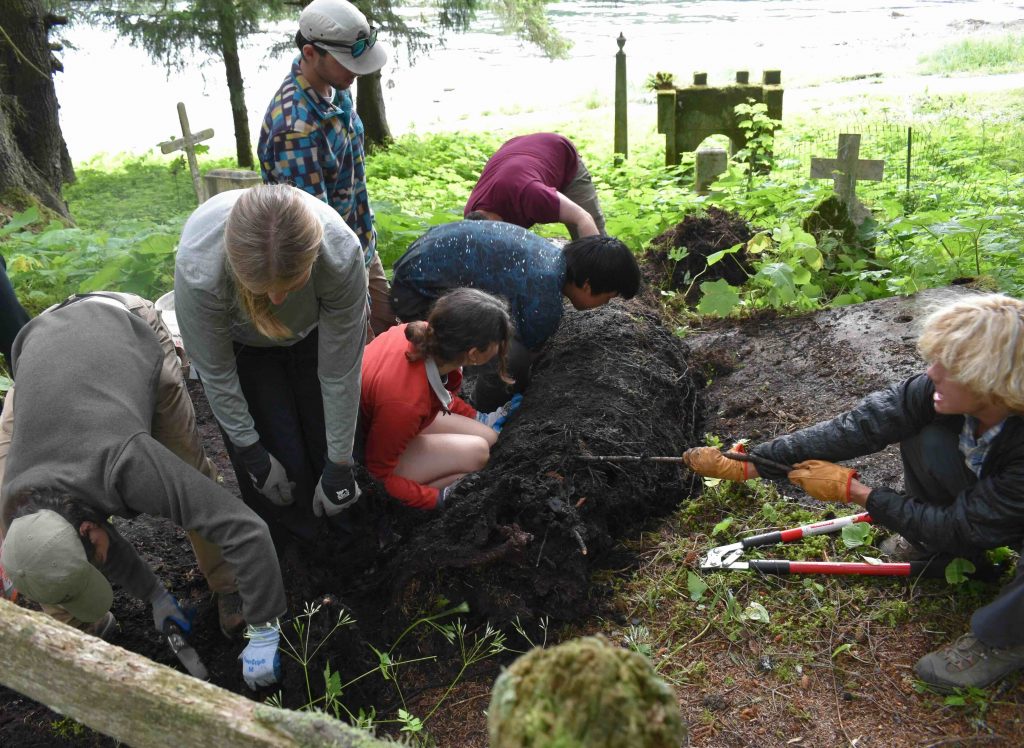
The group peels back the moss and vines to reveal another Tlingit grave.

Acknowledgements: This work was supported by the National Science Foundation under grants P2C2-2002561and P2C2-2002454, and through the Keck Geology Consortium NSF grant 2050697. We also thank The College of Wooster Danner Fund.

Wooster participants on the first trip to Kake.

References (the tree-ring data are available using the links below): 

Wiles, G.; Wiesenberg, N., 2026. Turn Point Update – PISI – ITRDB AK213, https://www.ncei.noaa.gov/access/paleo-search/study/44480https://doi.org/10.25921/tc7z-cf17

Wiles, G.; Wiesenberg, N.; Zhao, W.; Hinkley, L., 2026. Hamilton Grove – THPL – ITRDB AK216, https://www.ncei.noaa.gov/access/paleo-search/study/44483, https://doi.org/10.25921/rsgt-1519

Wiles, G.; Wiesenberg, N.; Flory, A.; Protopapadakis, M., 2026. Klawock Redcedar Comp – THPL – ITRDB AK217, https://www.ncei.noaa.gov/access/paleo-search/study/44484, https://doi.org/10.25921/ekbp-3m14

Wiles, G.; Wiesenberg, N.; Flory, A.; Protopapadakis, M., 2026. Klawock Yellow Cedar Comp – CHNO – ITRDB AK218, https://www.ncei.noaa.gov/access/paleo-search/study/44485, https://doi.org/10.25921/4k9k-1c63

Wiles, G.; Wiesenberg, N.; Cooper, T.F.; Gaglioti, B.V.; Hinkley, L., 2026. Hoonah Yellow Cedar – CHNO – ITRDB AK219, https://www.ncei.noaa.gov/access/paleo-search/study/44486, https://doi.org/10.25921/4bhp-1b59

Wiles, G.; Wiesenberg, N.; Cooper, T.F.; Gaglioti, B.V.; Hinkley, L., 2026. Hoonah Ear Mountain – TSME – ITRDB AK222, https://www.ncei.noaa.gov/access/paleo-search/study/44489, https://doi.org/10.25921/9pwx-mc46

Wiles, G.; Wiesenberg, N., 2026. Hood Bay Mountain – TSME – ITRDB AK223, https://www.ncei.noaa.gov/access/paleo-search/study/44490, https://doi.org/10.25921/mr27-g619


Posted in Uncategorized | Tagged , , , , , , , , , | 1 Comment

Dr. Nicolás Young – Our 44th Annual Osgood Speaker

It was a honor to welcome Dr. Nicolás Young (’05) back to the College to be our 44th Osgood Speaker. Dr. Young hails from the Lamont-Doherty Earth Observatory’s Cosmo Lab, where he is a Associate Research Scientist. Nicolás is a leader in developing the analytical side of cosmogenic surface exposure dating and is a gifted and creative field geologist.

His Osgood talk “Disappearance of North Atlantic ice sheets over the last 2.6 million years”  focused on his work with colleagues aimed at trying to figure out what ice sheets may have looked like during past warm intervals in Earth’s recent history, which is particularly important considering Earth’s current climate trajectory. This work is extremely challenging because evidence of small ice sheets has largely been destroyed by repeated episodes of subsequent ice advance. His team has been combining new sampling approaches in the field with evolving geochemical techniques to better constrain what ice sheets may have looked like during the past warm times. He outlined methods of sampling bedrock along ice sheet margins (Barnes Ice Cap) that has become ice free in the last few years, and drilling through existing ice to sample bedrock currently resting beneath extant ice sheets (Greenland). He deftly described how geochemical measurements from these unique samples help determine how often in the recent geologic past the Laurentide and Greenland ice sheets completely disappeared.  This work focused on recent results of a major project Greendrill as well as his ongoing projects on Baffin Island’s Barnes Ice Cap.

News to many in the audience is that the Laurentide Ice Sheet still exists as the remanent Barnes Ice Cap on Baffin Island in the Canadian Arctic. It was the Barnes Ice Cap and the fascinating story of its recent (the last few millennia) history that blew many of us away. Nicolás presented these recent results to our Geoclub. Note the trimline around the extent of the ice cap pictured above in this Sentinel image.

Nicolás speaking to Geoclub on his recent discoveries at the Barnes Ice Cap.

I can’t give the story away as the article is in review (I will post again when it comes out). The gray trimline area seen in the figure above marks a “recent” advance to this 1960 CE position, after which retreat has dominated. Nicolás described the trimline as a knife-edge and that only through careful dating using cosmogenic isotopes could one determine when this “recent” advance of ice began. The significance of this recent advance of the remanent of the Laurentide Icesheet is remarkable and transforms our thinking of Earth’s recent climate history.

We greatly thank the Osgood family for endowing the funds to bring innovative science to our Wooster community each year.


Posted in Uncategorized | Leave a comment

Dating a Cabin from Pittsburgh

Dr. Mark Abbott and his graduate students Cole and Adeel visited the Wooster Tree Ring Lab with portions of white oak beams from a historic cabin in Pittsburgh. The mission was to tree ring date the outer ring of the samples to determine which calendar year the timber was cut for the structure. Here the Pitt team in the sample prep. lab with the two samples where they polished them for analysis.

Nick Wiesenberg oversaw the dating, which started with a tour in the west wing of the Wooster Tree Ring Lab.

Adeel measured one of the samples – understandably he is amazed with the anatomy of the white oak rings.

Cole measured the other sample measuring ring widths from the screen using CooRecorder. The Pitt group are exports in lake core analysis and both Adeel and Cole are analyzing lake varves, they are also thinking about using this measuring setup for varve analyses (see below).

Nick takes the controls and analyzes the measurement data against our tree-ring database and reveals the date of cutting for the cabin.

The crossdating with our master series shows that the outer ring of the samples were both 1834, at least for the two samples both were cut in the same year after the 1834 growing season so the cabin was likely built shortly after this. The 1698/99 rings are strong markers.

The varves that the Pitt team are analyzing are shown above – they may be annual like tree-rings and their research will extract paleoenvironmental data from these. This core was taken by the group a few weeks before their visit to Wooster in Northern Minnesota where it was tens of degrees below zero. See below.

The coring operation in Minnesota – ~12 inches of ice and 60 feet of water and then a few tens of meters of mud is the sequence through this ice hole.

Posted in Uncategorized | 1 Comment

A new paper describing the feeding apparatus of Silurian cornulitids from China: More evidence supporting placement of this group in the lophophorates

It was my privilege to join an Estonian-Polish-Chinese-American team interpreting partial soft-tissue preservation of the feeding devices of Silurian cornulitids, which are extinct Paleozoic organisms that constructed small conical, ribbed tubes. Cornulitids are very common sclerobionts (hard-substrate dwellers) in the Upper Ordovician Cincinnatian Group of Indiana, Kentucky and Ohio, so these are familiar fossils to Wooster geologists. Now we know a little bit more about their paleobiology. Our new paper can be downloaded here.

The top image is from Figure 3A of Vinn et al. (2026). It is Cornulites cf. cellulosus (HWR007a) showing a fully protracted likely lophophore (filter-feeding device). Scale bar is 5 mm.

Abstract.–Circular structures observed at the apertures of several Cornulites specimens from the earliest Silurian of China are interpreted as possible fossilized remains of a lophophore with a simple, ring-like morphology. These structures may represent partial preservation of the feeding apparatus, with the absence of tentacle preservation likely resulting from taphonomic processes. The preserved rim surrounding the circular structure likely reflects the thickness of the lophophore and its tentacles, while a neck-like extension visible in one specimen is interpreted as the basal region of the lophophore. Specimens displaying a partially extended lophophore suggest that Cornulites individuals may have been capable of retracting their lophophore entirely into the shell, between feeding episodes, although complete retraction remains speculative. These partial soft-­tissue remains support the classification of cornulitids as lophophorates. However, the available evidence remains insufficient to definitively resolve whether cornulitids are more closely related to bryozoans or phoronids. As the only shelled benthic fossils in the Huangshi deposits, cornulitids seemed to have been opportunistic organisms which were able to colonize and thrive in oxygen-deficient palaeoenvironments following the Late Ordovician mass extinction.

From Figure 4 of Vinn et al. (2026). Cornulites sp. (specimen HWR072a-1) interpreted as showing a partially retracted lophophore. Scale bar is 5 mm.

From Figure 5 of Vinn et al. (2026). Schematic line drawing of Cornulites cf. cellulosus (HWR007a) showing a fully protracted lophophore. Scale bar 5 mm.

Cornulitids are old friends to those Wooster geologists who studied Ordovician fossils in paleo courses. This is the genus Cornulites Schlotheim 1820, specifically Cornulites flexuosus (Hall 1847). It was found in the Whitewater Formation (Late Ordovician, Katian) during a College of Wooster field trip to southeastern Indiana (C/W-148; N 39.78722°, W 84.90166°).

I thank my international co-authors for inviting me to join this team.

Reference:

Vinn, O., Zong, R., Wilson, M.A., Liu, Y. and Zatoń, M. 2026. Partially preserved cornulitid feeding apparatuses from the lowest Silurian of South China support the lophophorate affinities of this enigmatic group. Lethaia https://doi.org/10.18261/let.59.3

Posted in Uncategorized | Tagged , , | Leave a comment

Paleoecology (2025) and New Displays in Scovel Hall

Dr. Lyon’s class along with her TAs and in collaboration with the Wooster Art Museum’s director Dr. Marianne Wardle, significantly upgraded many of the fossil and mineral displays in Scovel Hall this past fall.

The classes hard work was revealed in an “opening” on the last day of Geoclub with students presenting their work to the Wooster Earth Scientists.


One of the formerly empty cases in the North entrance of Scovel Hall is now populated with new displays that are Ohio-centric.

Each of the geologic time periods is represented, and in this case, fossils from Ohio are keyed to each period are explained.

A detail of one of the cases and Ohio’s fossils.

Another new addition to Scovel Hall is a case on the first floor with examples of various modes of preservation and remarkable aesthetics in the setup with cards that offer explanations for each specimen.

Modes of preservation was a topic in much of the interpretive materials in the first floor case.

A detail from one of the shelves of the first – floor case.

Departmental technician, Nick Wiesenberg, painted over the not-so-nice pink color that was pervasive in our building, making this almost-three-story-wall shades of blue to provide an oceanic backdrop. Its great to see these displays each day and to see an increase in student, faculty, staff and visitors reading and interacting with the materials. Thank you Dr. Lyon, students and TAs from Paleoecology as well as the Wooster Art Museum and Nick for his support of this project.

Posted in Uncategorized | 3 Comments