


Guest bloggers SEAK2025: We began Day 2 at Angoon High School, learning about student research focused on the preservation of Culturally Modified Trees (CMTs). A CMT is any tree that has been modified by indigenous people for cultural or practical reasons. This often includes bark removal for sap harvesting or building material. The group’s project is rooted at the intersection between culture and mathematics, or ethnomathematics. The team of students worked to preserve a cluster of CMTs on Admiralty Island using Light Detection and Ranging (LiDAR) imaging, creating a digitized 3D model of each CMT. We would later have the opportunity to see CMTs at two different localities on Admiralty Island during our third day in Angoon.
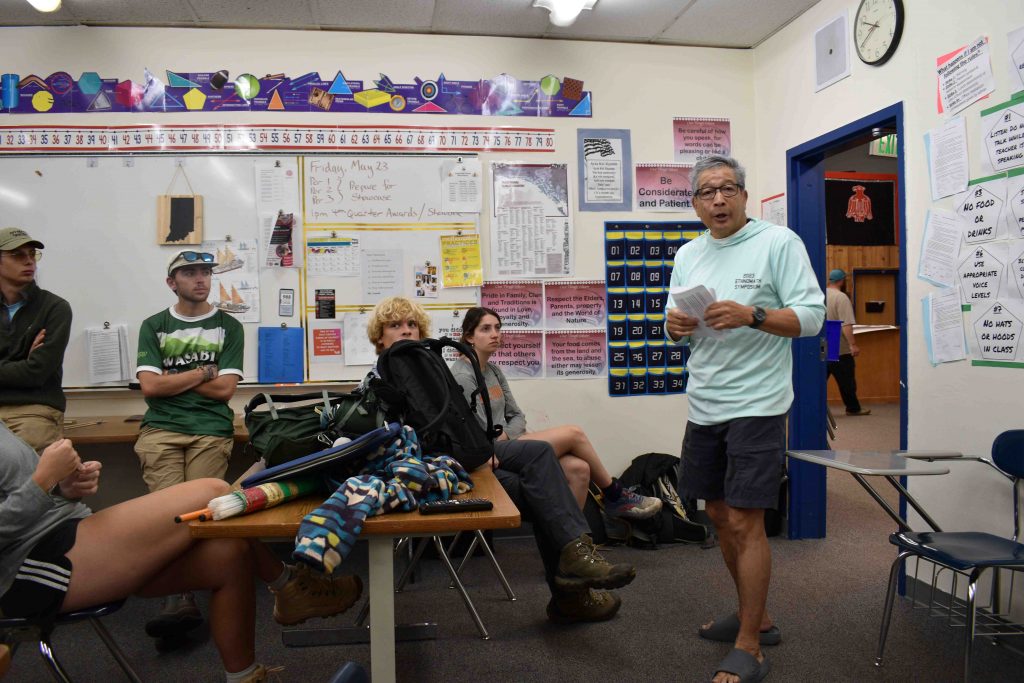
Image: Frank Coenraad (of Chatham School District) orienting everyone with CMT research. Under the direction of Frank, the team of Angoon High students placed first at a regional conference in Juneau. They will compete at the Advancing Indigenous People in STEM (AISES) National Conference in Minneapolis, Minnesota, held in October 2025.
After an exciting start to our day, we delivered a presentation on the principles and practices of Dendrochronology to Alaska Youth Stewards (AYS) crew members and faculty. The presentation included field and lab methods, data interpretation, and how we each plan on using dendrochronology for further research.
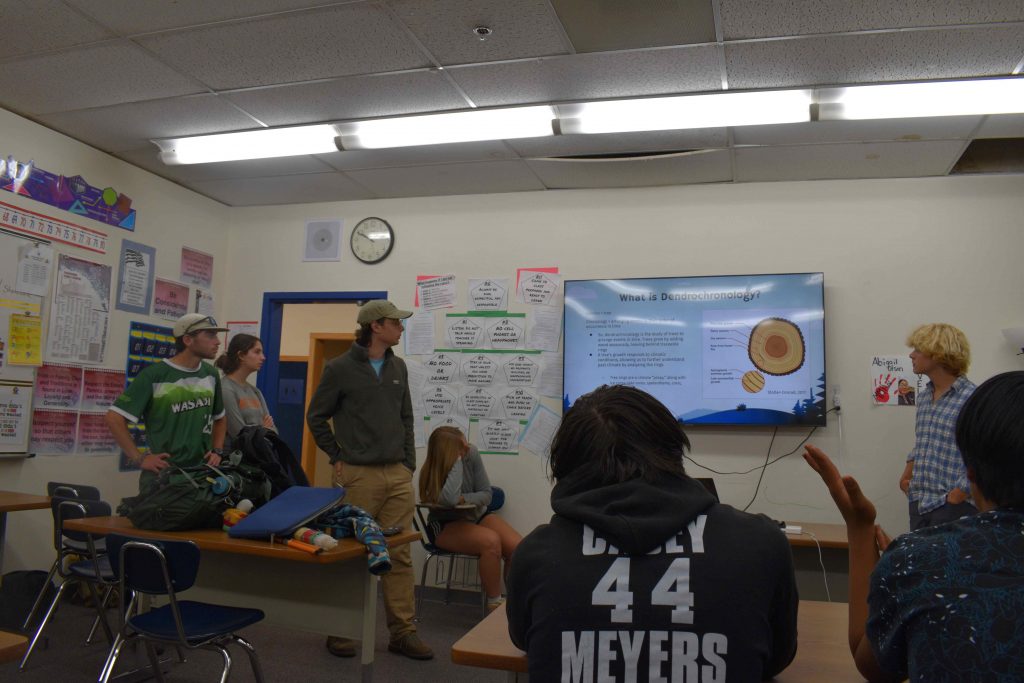
Image: KECK students presenting to AYS crew members and faculty. Angoon High School, Angoon, Alaska.
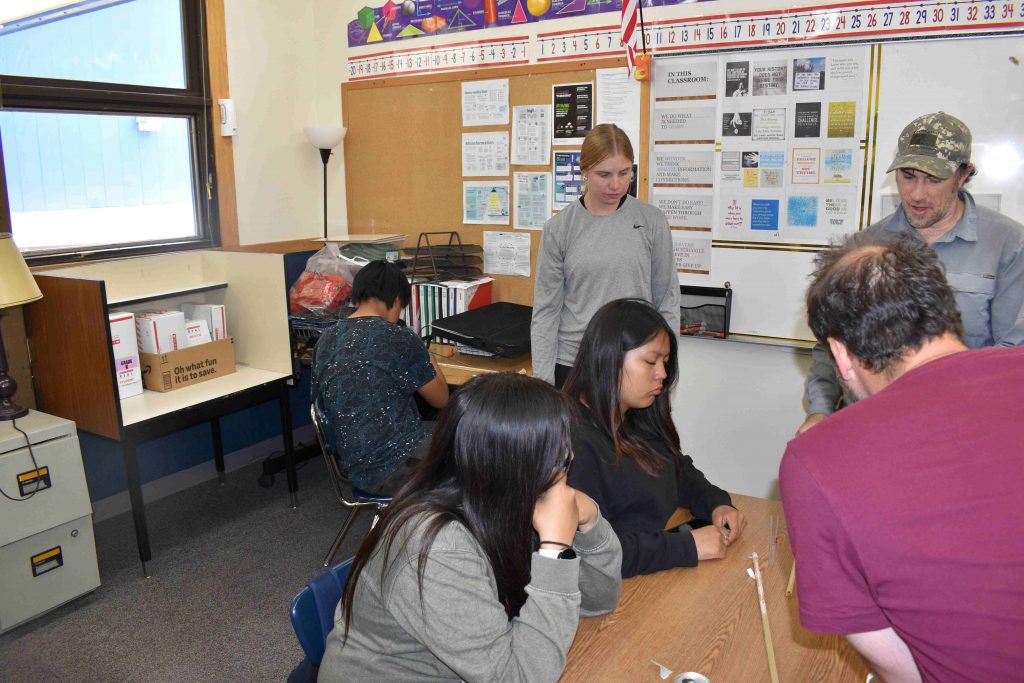
Image: AYS crew members getting hands-on experience learning how to properly mount tree cores.
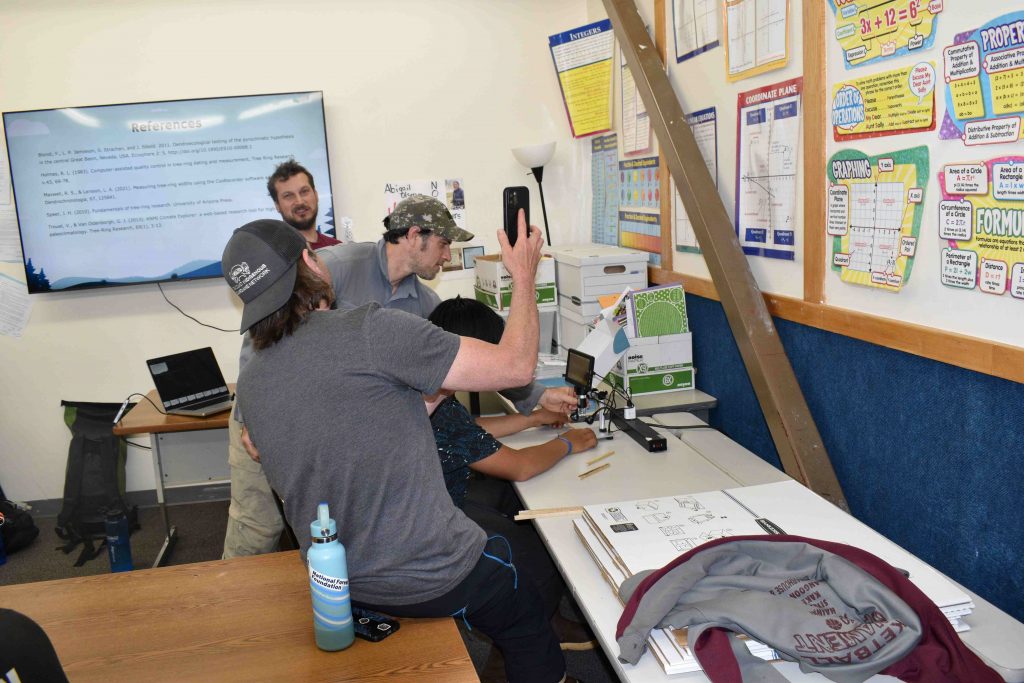
Image: Nick Wiesenberg teaching students how to analyze tree cores under a microscope after they’ve been mounted and sanded.
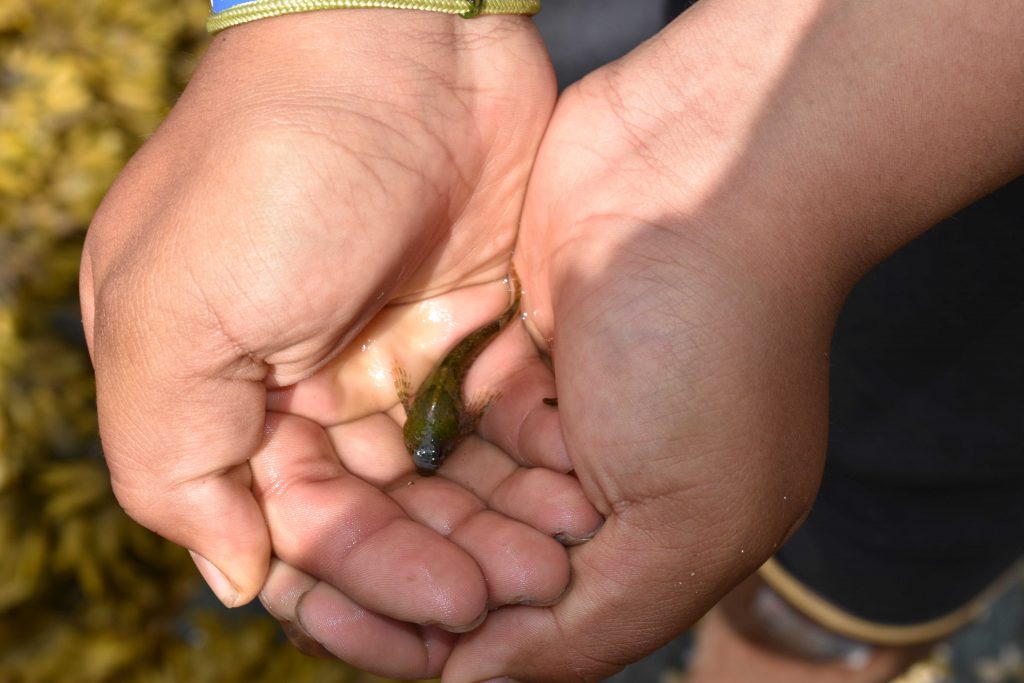
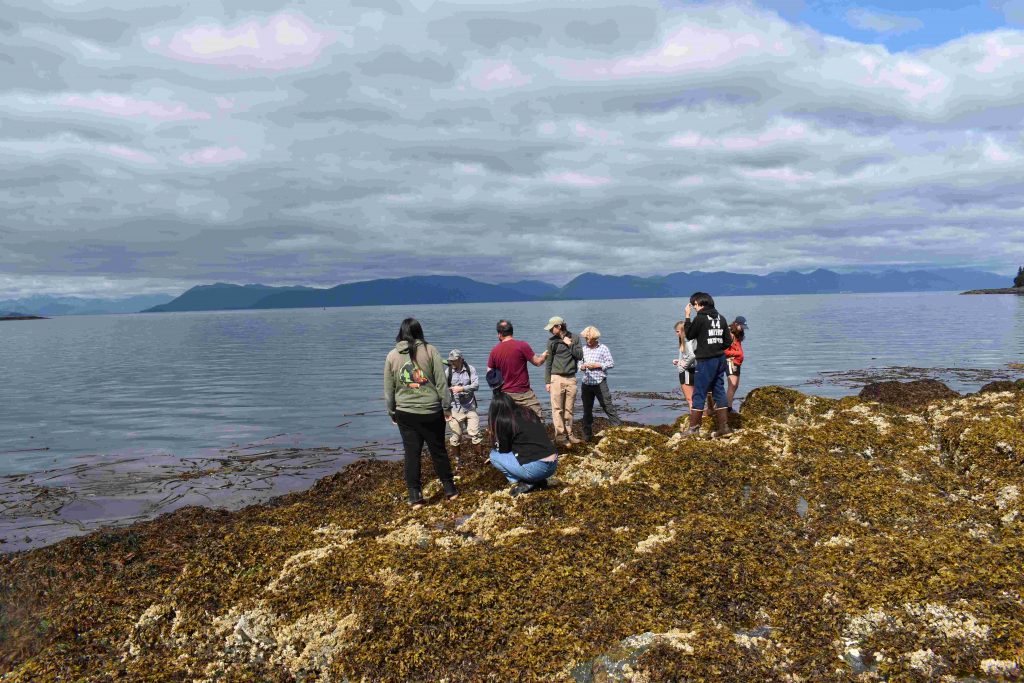
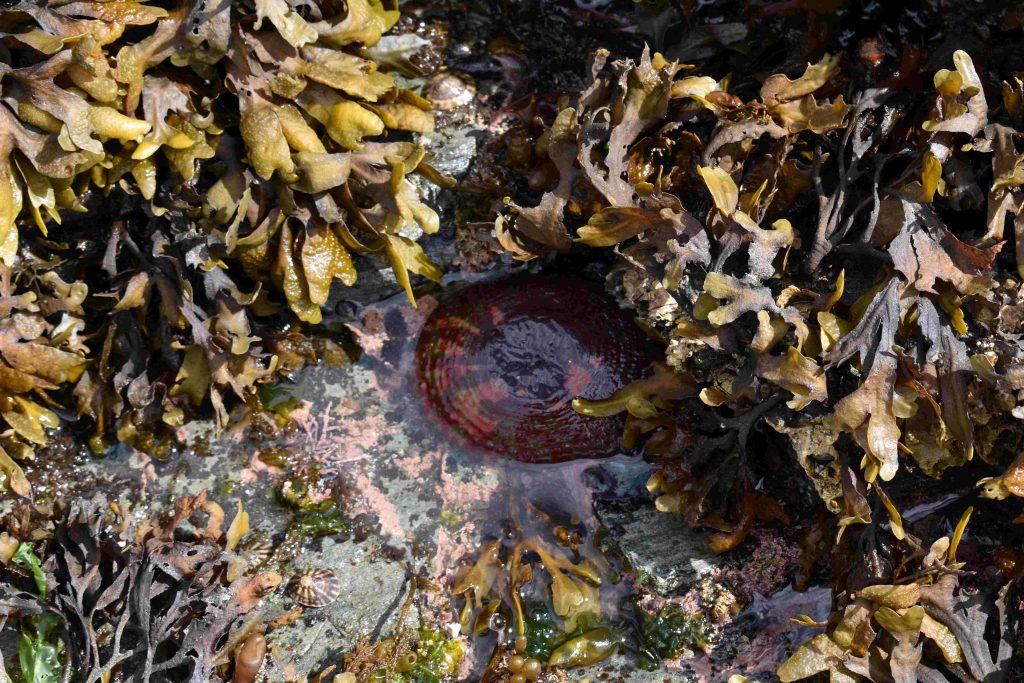
After the morning presentations, we set out to explore low tide along the coast; the low tides during our stay were especially low. Referred to as negative low tides, these tides occur when the water level drops below the average low tide zone, exposing areas that are typically submerged. Below are some of the critters and settings observed during the course of the negative tide – the AYS group also explained the traditional uses of some of the seaweed.
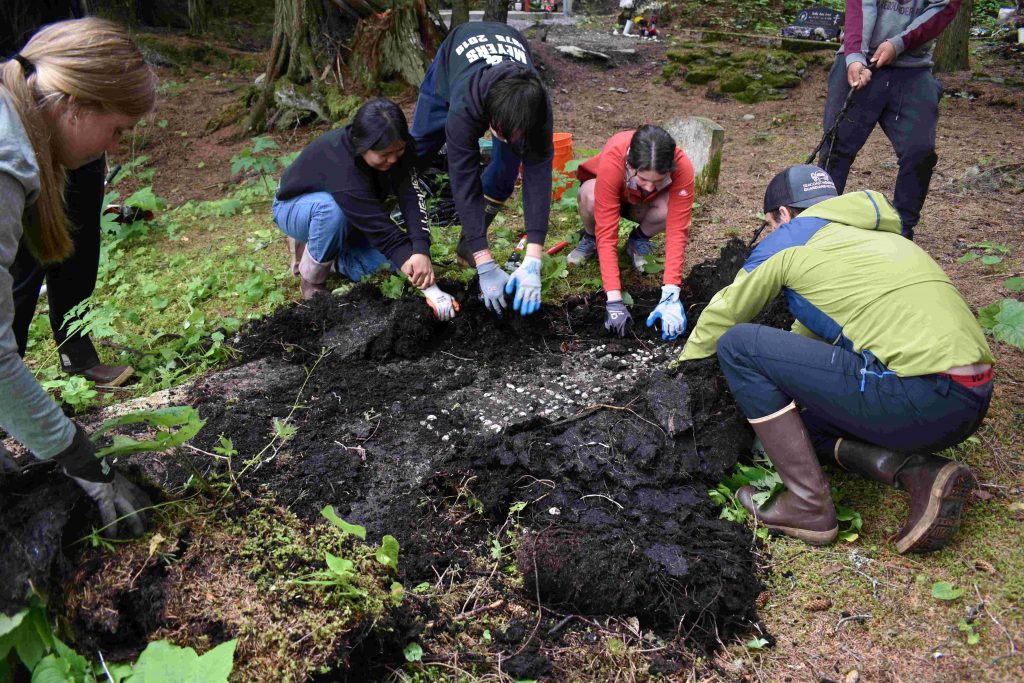
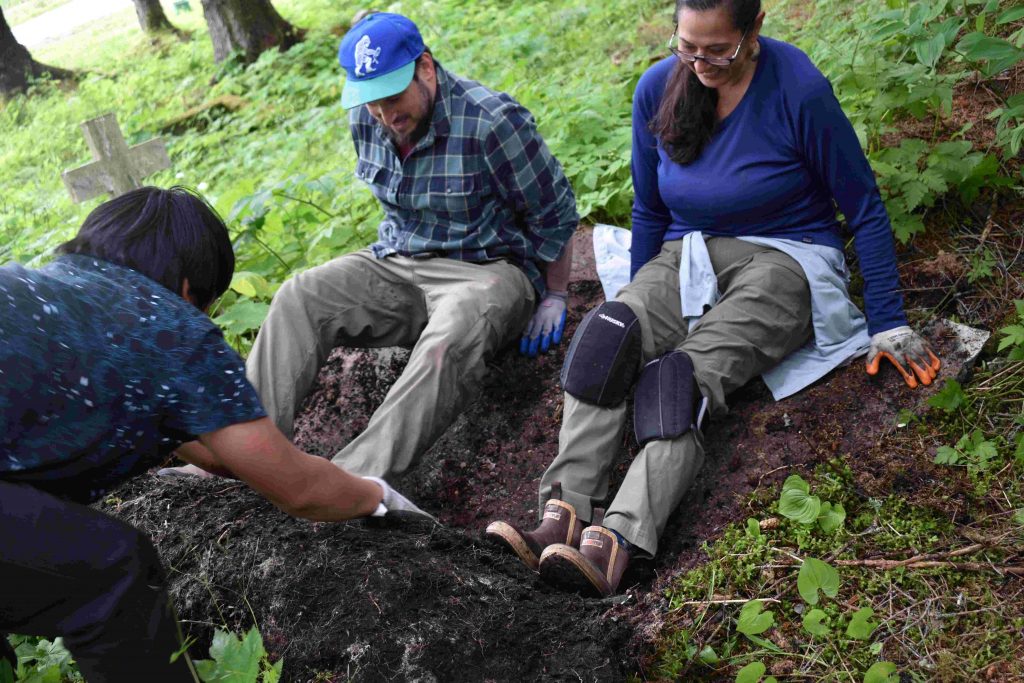
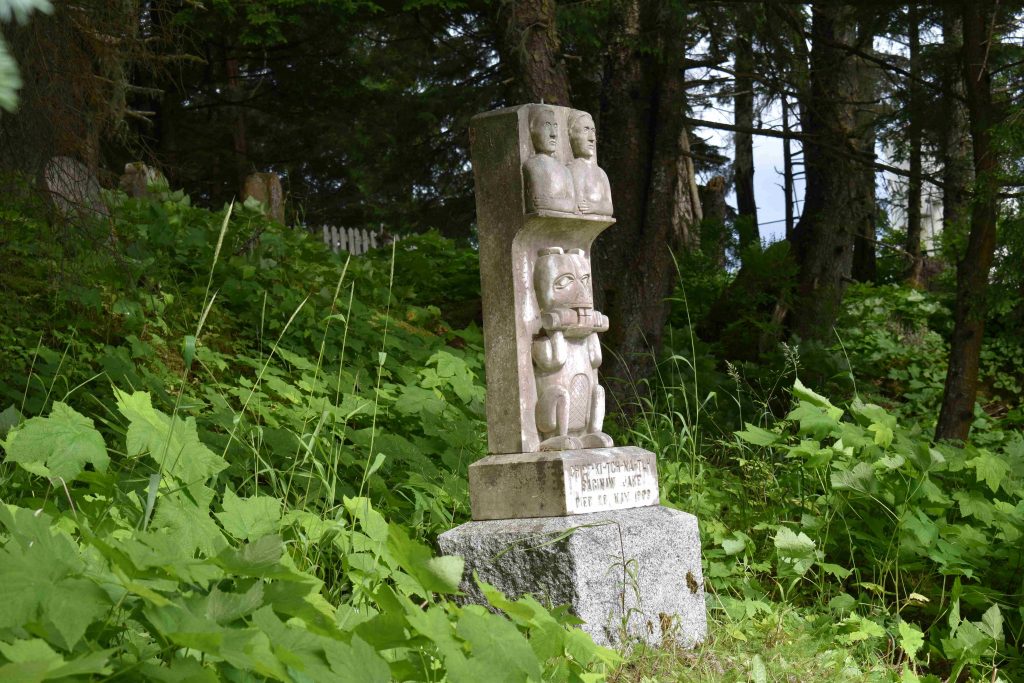
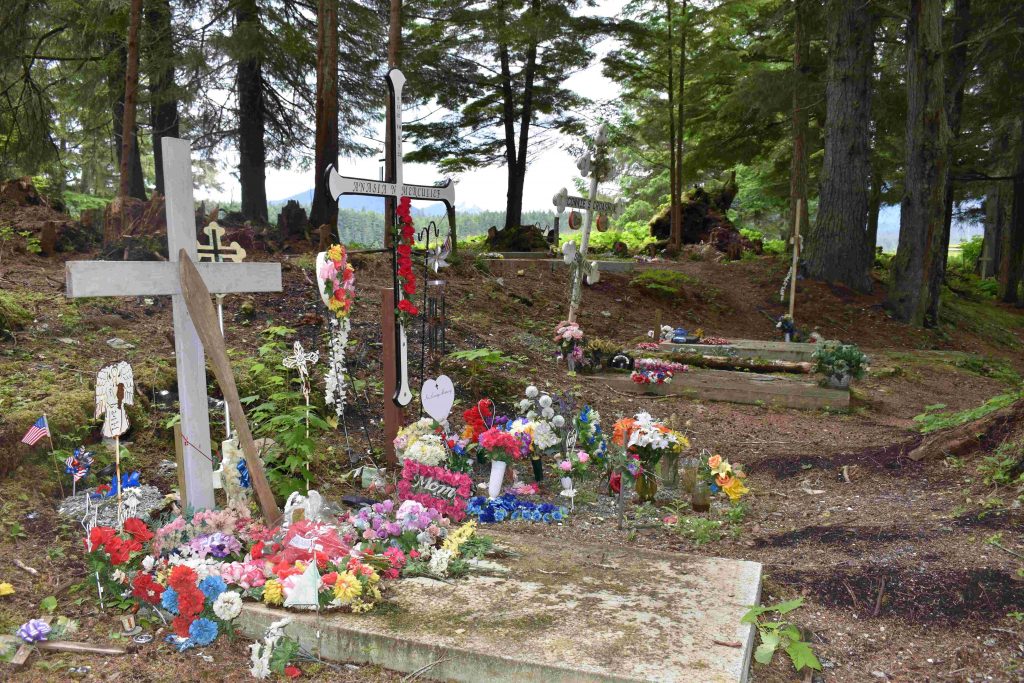
We concluded our day collaborating with an ongoing project, led by S’eiltin Jamiann Hasselquist, that seeks to restore Tlingit burial sites to their former glory. We focused our efforts on a cemetery off of Killisnoo Rd. south of Angoon proper. A major effort was cleaning up the site and rolling back the moss and roots masses that have grown over the site. The team revealed grave sites that were covered.
The work of Keck SEAK25 is funded by the Keck Geology Consortium and the National Science Foundation.