Crinoid hunting in ancient Baltica

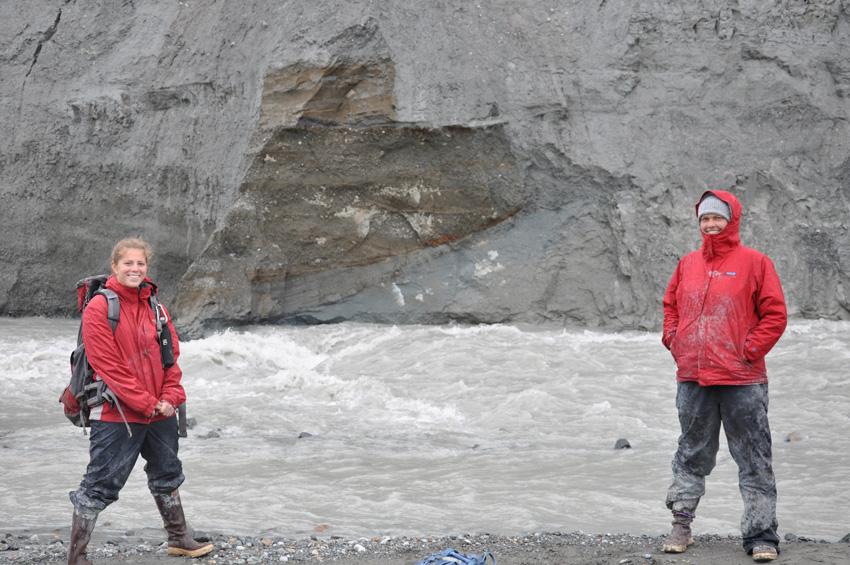
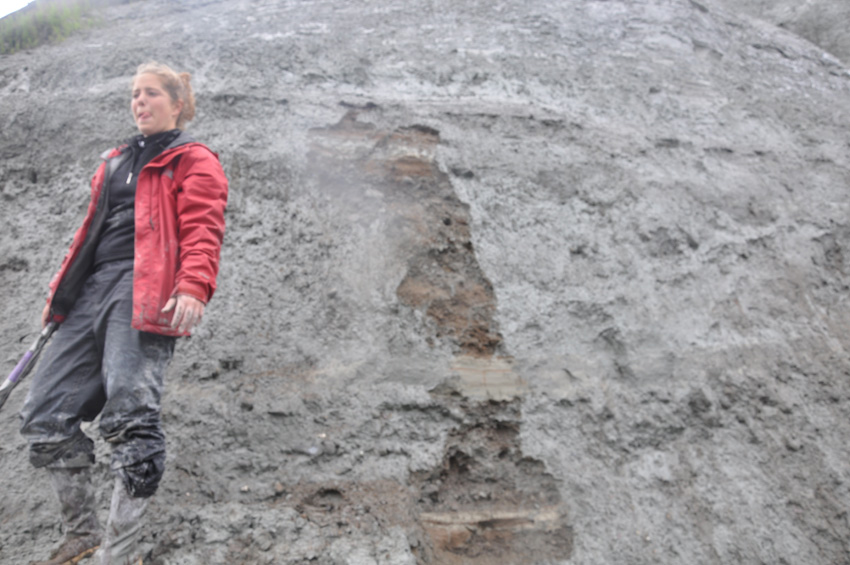
KURESSAARE, ESTONIA–Bill Ausich (Ohio State University) and I have a grant from the National Geographic Society to study the “origination and evolution of Middle Paleozoic crinoids on the Baltica paleocontinent“. Bill is the prime mover behind this project as one of the world’s experts on crinoids, and probably the expert on Silurian crinoids. My job is to help with the paleoecology and stratigraphic context for these crinoids. We have one paper in press now on Estonian crinoids with our colleague Olev Vinn of the University of Tartu. The above photo shows our team this morning looking for crinoids in the Ninase Member of the Jaani Formation at the Undva Cliff on the northwestern tip of Saaremaa Island (N 58.51679°, E 021.91727°).

The full team includes Wooster students Jonah Novek and Richa Ekka (introduced before), Ohio State University graduate students Mark Peter and Alyssa Bancroft, and OSU undergraduate Jeff Thompson. Along with finding crinoids, the Wooster students will also be developing their Independent Study field projects. This is why our work is also supported by the Wengerd Fund at The College of Wooster.

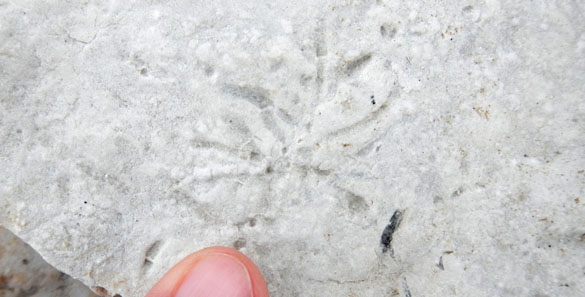
Today we met Olev Vinn (and his wife Ingrid and two delightful children, Sigrid and Erik) and explored three outcrops looking for crinoids, especially their elusive calices (essentially their heads). Above is a calyx of Eucalyptocrinites showing partition plates. We found many more such beauties, especially at Undva Cliff.

Rain is going to be a fact of field life in the next week at least. The weather can apparently change rapidly on the Baltic coast. The above storm appeared to the west of us in mid-morning at Undva Cliff. Since the wind was blowing to the west, it didn’t seem an issue. The wind direction changed 180°, though, and quickly brought the deluge upon us. We ran back to our vehicles but were completely soaked. Lesson learned!

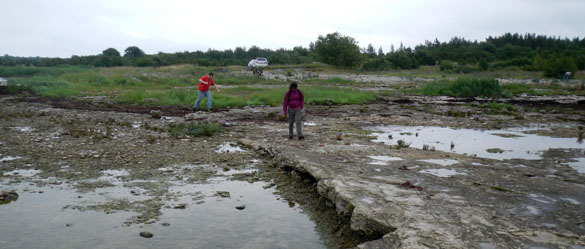
Our second outcrop was the Ninase Member again on the western shore of Tagalaht Bay at a place called Kuriku Cliff (N 58.50282, E 022.01284). You can see us above scattered along the cliff face.

The preservation of the fossils at Kuriku Cliff is mixed. Some calcitic forms are exquisite, especially brachiopods and crinoids. Others, like the favositid coral above, are recrystallized. In this case the corallites filled with calcite and then dissolved, leaving an odd kind of internal mold.

Our last outcrop was Kogula Quarry (N 58.28589°, E 022.26053°), where road gravel is made by progressively crushing limestones from the Silurian (Ludlow) Paadla Formation. Saturday was a good time to visit this quarry because it was closed and not operating. We found many fossils here, especially mollusks. The crinoids, though, were only rare bits and pieces.

Except for that morning drenching, it was a very good paleontological day. The Wooster students have been well introduced to Silurian limestones in general and Saaremaa stratigraphy in particular. Tomorrow we will see what Olev says is the only outcrop on Saaremaa I have not visited. That will complete our tour and we can then begin to do our detailed work. Now we know to run for cover as soon as we feel the wind quickly change!


Posted in Uncategorized | Tagged , , | 3 Comments

Silurian limestone under our feet

KURESSAARE, ESTONIA–The 2012 Wooster Estonia expedition had its first official time in the field this afternoon. Jonah, Richa and I traveled the short distance from Kuressaare to the historical Sõrve peninsula in the extreme southwest of Saaremaa. There we explored the Äigu Beds in the Kaugatuma Formation exposed along the peninsula’s northwest coast. I know this place well from several visits, and it was the site of Palmer Shonk’s Independent Study project. The limestone here is mostly a high-energy encrinite (a rock made almost entirely of crinoid fragments) with many elaborate crinoid root systems in place showing the arrangement of a “crinoid forest”. Pictured above is a limestone bedding plane with two primary axes of the roots  (holdfast) of the genus Enallocrinus. The interior sediment has eroded away so that you can see the holes where “rootlets” emerged to penetrate the surrounding sediment.

Richa and Jonah on the swampy northwest side of the peninsula with the Kaugatuma Cliff exposed in the background.

Our liberally-educated students are here examining the surface of a granitic boulder brought here from Sweden by the last glaciation and dropped as an erratic. Of course, it is not the igneous rock that excites them — it’s the multicolored  lichens on it!

This project is funded by a grant from the National Geographic Society and the Wengerd Fund of The College of Wooster. Tomorrow we will introduce you to the Ohio State University team members and more details about our work and goals. We are very grateful for this research opportunity. We are also very pleased with the spectacular weather. Sunny and 26°C today.


Posted in Uncategorized | Tagged , , | 3 Comments

Wooster Geologists return to Estonia

KURESSAARE, ESTONIA–It took longer than we expected, but three Wooster geologists and four colleagues from Ohio State University are finally on the island of Saaremaa and ready for our fieldwork in the Silurian limestones along the shores here and on the smaller island of Hiiumaa to the north. We had a missed connection which delayed us a day in Tallinn, and everywhere we went our reservations were difficult to find, but it has at last worked out. Above you see Richa Ekka and Jonah Novek, two Wooster seniors who will be studying the Silurian sections for their Independent Study theses. Behind them is Moon Sound between the Estonian mainland and Muhu Island as viewed from a car ferry. Richa and Jonah are part of a long tradition of Wooster students who have worked in Estonia, some of whom you can meet by clicking our Estonia tag to the right.

Now we’re off to buy some lunch and take advantage of the fantastic weather to see some rocks. Much more will follow!

The view from my hotel room of Kuressaare Castle. Nice, eh?

Posted in Uncategorized | Tagged | 3 Comments

Wooster’s Fossils of the Week: Wiggly little foraminiferans from the Middle Jurassic of southern England

These shell fragments are of the oyster Praeexogyra hebridica var. elongata, and I picked them up long ago from a remarkable unit made almost entirely of them. It is the Elongata Bed at the base of the Frome Clay (Middle Jurassic) near Langton Herring in Fleet Lagoon, Dorset, England. (See House (1993) for more details, and this site has a nice geological map.) Nearly every oyster piece is covered with elongated, flaky white encrusters easily overlooked. They are attached foraminiferans known as Vinelloidea crussolensis Canu, 1913. (I labelled the specimens with the better-known name “Nubeculinella Cushman, 1930″ when I collected them. Voigt (1973) had earlier shown that this genus is a junior synonym of Vinelloidea. I should have known better.)

Vinelloidea is in the Order Miliolida of the Foraminifera. It is a very common sclerobiont in shallow water Jurassic and Cretaceous deposits, especially in western Europe. Curiously, I’ve not yet seen it in the Jurassic or Cretaceous of Israel, and I’ve looked very hard at the encrusting faunas there. Vinelloidea grew as a series of glassy chambers across shells, pebbles and hardgrounds (Reolid and Gaillard, 2007; Zaton et al., 2011). When the conditions were right, as they were in the Middle Jurassic in southern England, it could be one of the most abundant encrusting organisms in life’s history.

References:

Canu, F. 1913. Contribution à l’étude des Bryozoaires fossiles XIII. Bryozoaires jurassiques. Bulletin de la Société géologique de France, série 4, 13:267-276.

Cushman, J.A. 1930. Note sur quelques foraminifères jurassiques d’Auberville (Calvados). Bulletin de la Société linnéenne de Normandie, série 8, vol. 2 (1929): 132-135.

House, M.E. 1993. Geology of the Dorset Coast. Geologists Association Guide No. 22. 2nd edition, 164 pages.

Reolid, M. and Gaillard, C. 2007. Microtaphonomy of bioclasts and paleoecology of microencrusters from Upper Jurassic spongiolithic limestones (External Prebetic, southern Spain). Facies 53: 97-112.

Voigt, E. 1973. Vinelloidea Canu, 1913 (angeblich jurassische Bryozoa Ctenostomata) = Nubeculinella Cushman, 1930 (Foraminifera). Paläontologische Abhandlungen 4: 665-670.

Zaton, M., Machocka, S., Wilson, M.A., Marynowski, L. and Taylor, P.D. 2011. Origin and paleoecology of Middle Jurassic hiatus concretions from Poland. Facies 57: 275-300.

Posted in Uncategorized | Tagged , , , | Leave a comment

Wooster’s Fossil of the Week: A mastodon tusk (Late Pleistocene of Holmes County, Ohio)

This long and weathered tusk sits in a display case outside my office. It is from the American Mastodon (Mammut americanum) and was found many decades ago in Holmes County, just south of Wooster. A tooth found with it was a previous Fossil of the Week. Such tusks are rather rare because the ivory tends to disintegrate faster than tooth and bone. Our specimen is, in fact, hollow and held together by wires.
Above is a closer view of the proximal end of the tusk (the part closest to the face). You can see the hollowness and, curiously, that the ivory is charred. I used to tell students that the mastodon must have been hit by lightning, but I stopped when they took me too seriously!

This gives me a chance to mention a mastodon specimen I recently saw in a visit earlier this month to this famous place:
Monticello is, of course, the home of Thomas Jefferson, a Founding Father and the third president of the United States. Jefferson was a science enthusiast, and paleontology was one of his passions. He was fascinated with ancient life, and some have considered him the first American paleontologist. One room of the White House, for example, appears to have been devoted to his fossil bone collection.

Mastodons were particularly interesting to Jefferson because of an odd idea that was in vogue in France at the time. Georges-Louis Leclerc, Comte de Buffon, a famous French naturalist, wrote that “a niggardly sky and an unprolific land” caused life in the New World to be weak, small and degenerate. Life in North America was considered by the French to be quite inferior to that in Europe. Jefferson knew, of course, this was nuts. Having the bones of a North American elephant, as large or larger than any other elephants, would show the Frenchies how wrong they were. And Buffon eventually agreed, although he died before he could correct his books.
Above is a lower jawbone of Mammut americanum in Monticello. I wish I could have taken my own photograph, but this was not allowed. I’ve had to make do with one of their images online.

Curiously, Jefferson had one serious deficit when it comes to calling him a paleontologist. He apparently did not believe that species ever go extinct. When he dispatched Lewis and Clark on their expedition, for example, he expected them to find living mastodons deep in the American interior. Too bad they didn’t!

References:

Conniff, R. 2010. Mammoths and Mastodons: All American Monsters. Smithsonian Magazine, April 2010.

Semonin, P. 2000. American Monster: How the Nation’s First Prehistoric Creature Became a Symbol of National Identity. New York University Press, New York, 502 pages.

Thomson, K.S. 2008. The Legacy of the Mastodon: the Golden Age of Fossils in America. New Haven, Connecticut, Yale University Press.

Posted in Uncategorized | Tagged , , , | 4 Comments

A day in the Wasatch Mountains

Ephraim, Utah-[Guest blogger Tricia Hall]

After a couple of productive days measuring deformation features and joints, Dr. Judge and I took a day for a fun drive up into the Wasatch Mountains and Plateau. The scenery was much different from that of the desert we were used to. From Ephraim, we headed north climbing onto the Wasatch Plateau. The views were spectacular, and we made sure to stop at every possible place to take in the landscape.

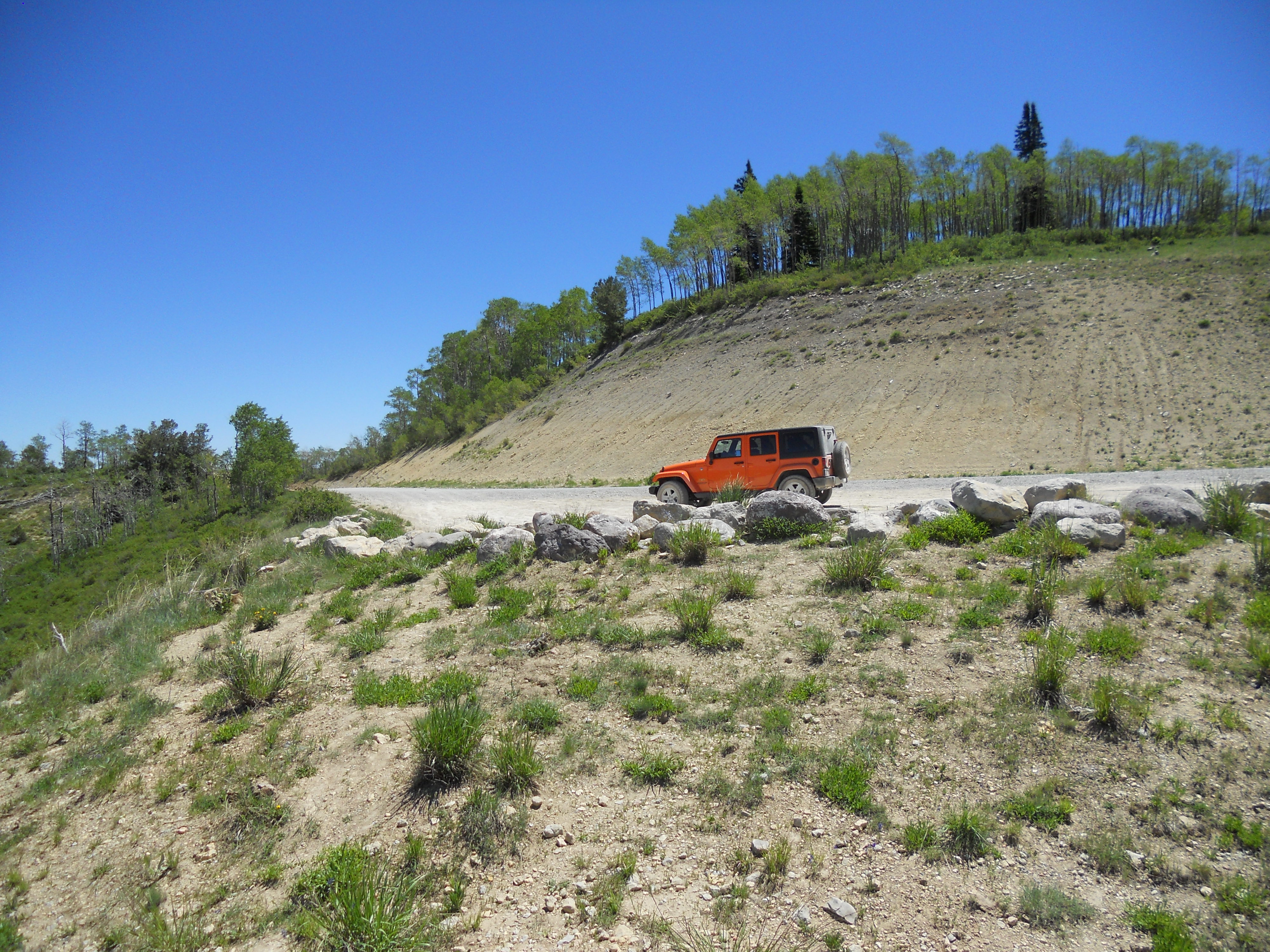
The best vehicle for getting up a mountain...plus it's easy to find.


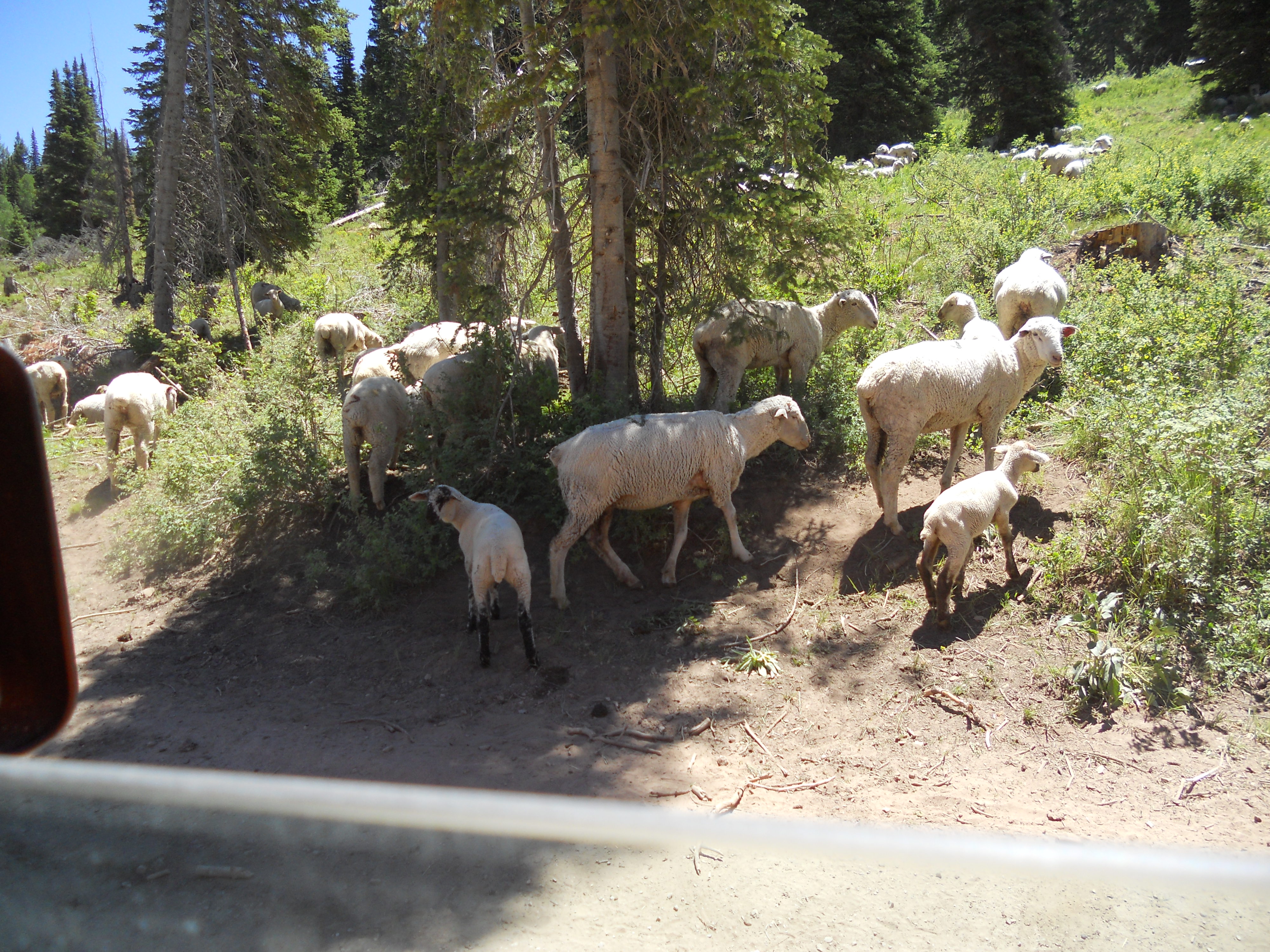
Along the way we had to share the road with a flock of sheep


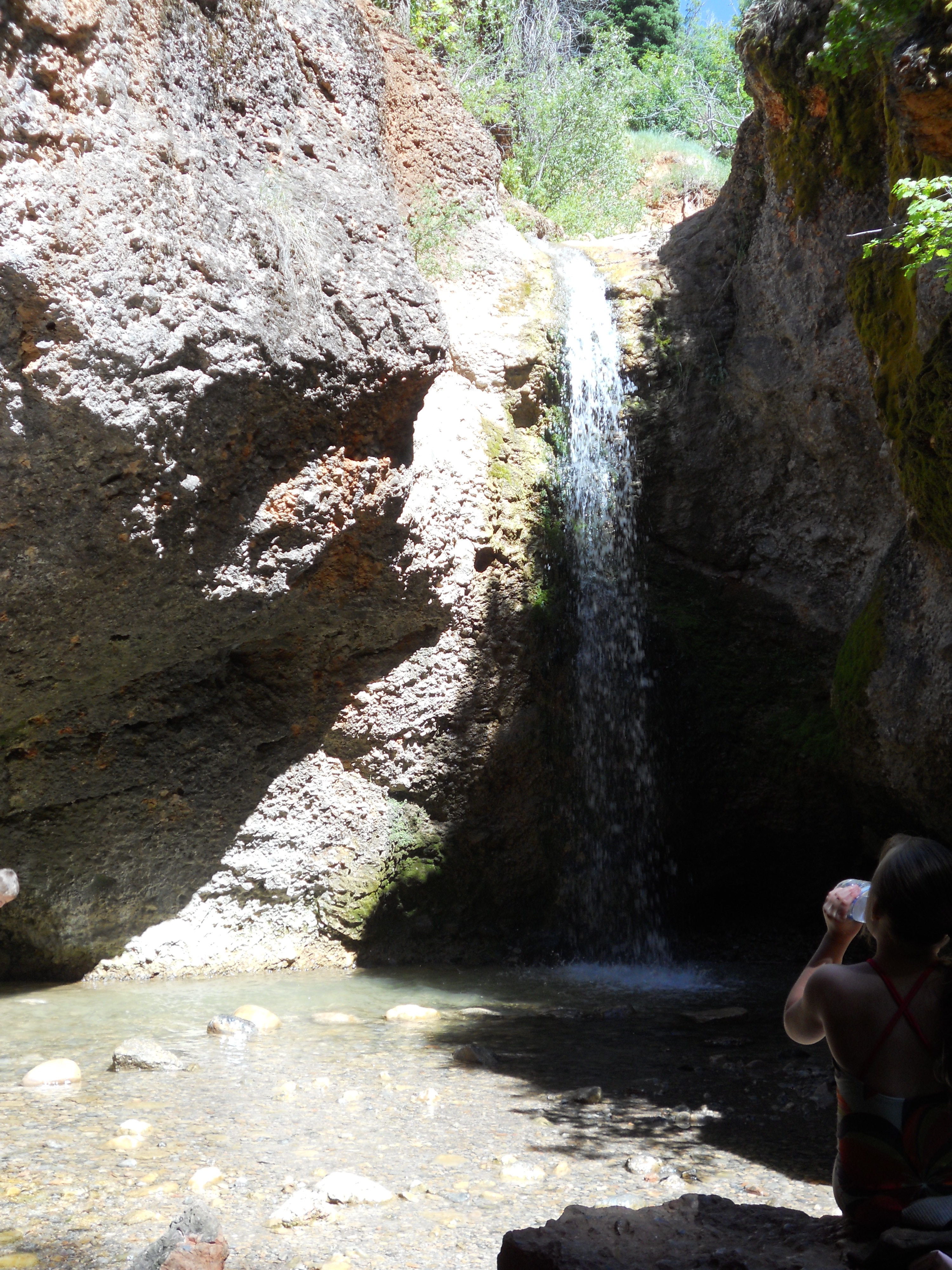
Running water! An exciting find for people who walked down a dry creek bed the day before.

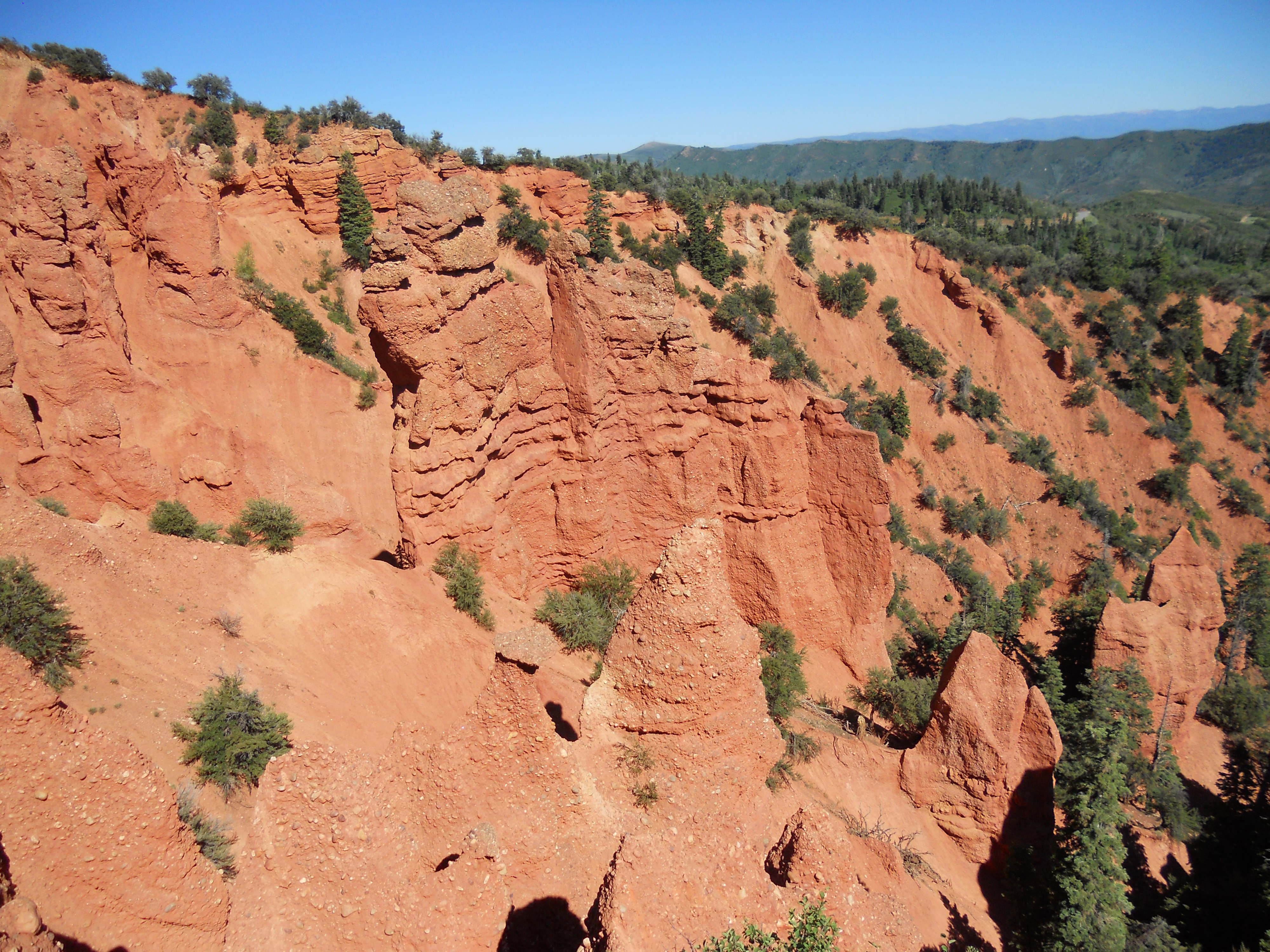
We stopped for a short lunch break after making our way down the plateau via the Skyview Drive, and we then made the drive to Mount Nebo on the other side of the valley. Just like on the Wasatch Plateau, we were able to drive through a beautiful national forest as we drove up the slopes. We even ran across features such as Devil’s Kitchen, which seemed very out of place on the forested mountains.

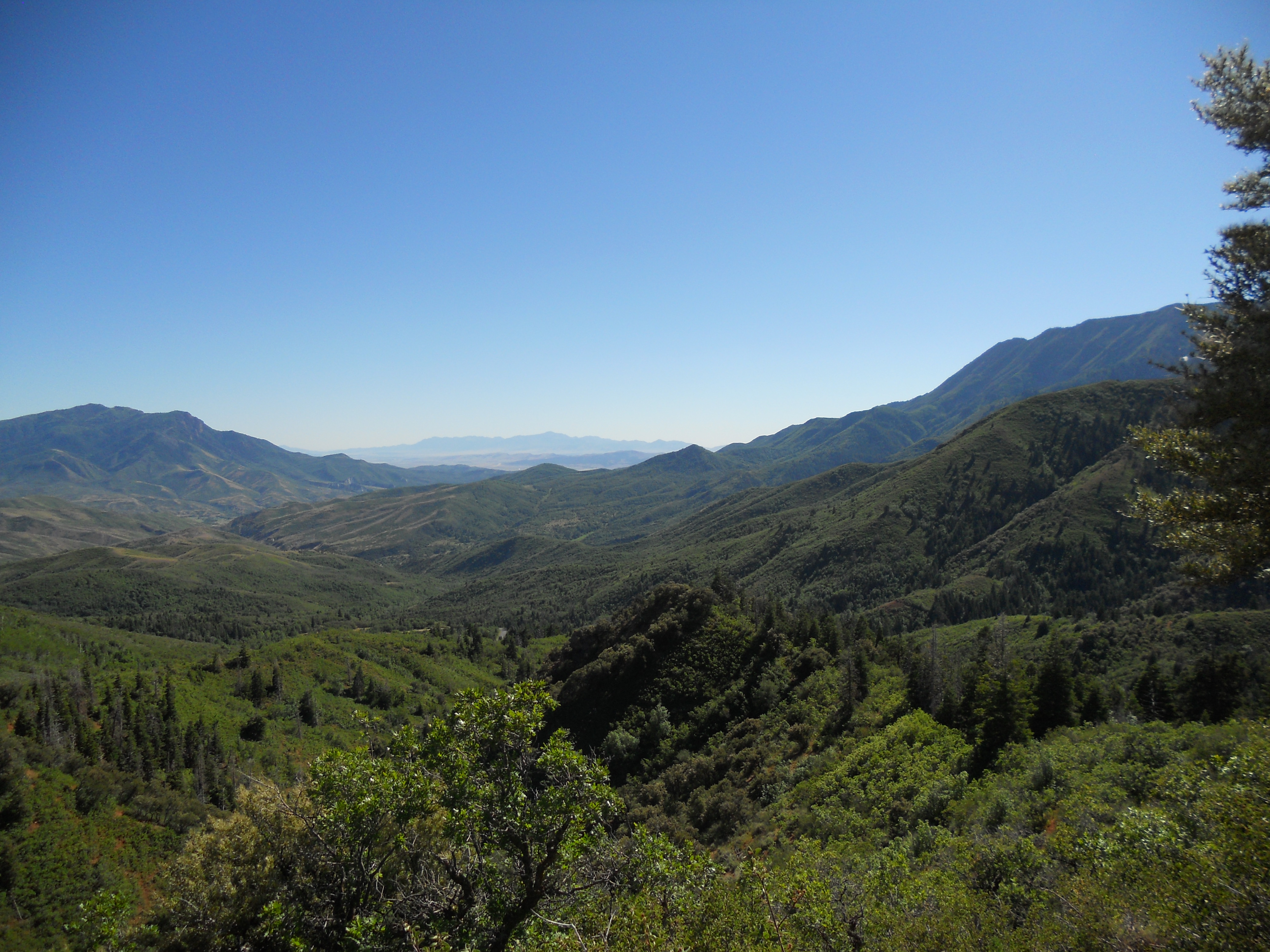
The view from 9000ft in the Wasatch Mountains.

The mini Bryce Canyon...Devil's Kitchen

Once we emerged from the Wasatch Mountains we drove through Nephi to grab something for dinner, and then it was back to Ephraim to prepare for another day in the field.

Posted in Uncategorized | Tagged , , | 4 Comments

Memoirs of a Glacier

Blog Post By Jennifer Horton

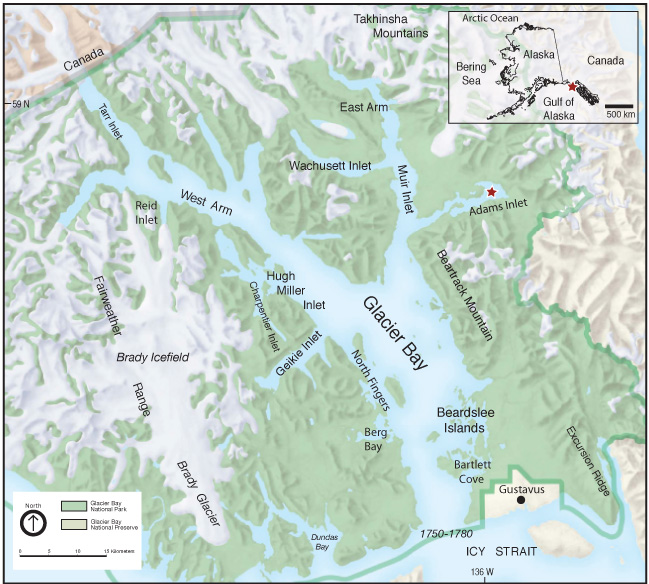
Lauren Vargo and I conducted our Senior I.S. field work in Glacier Bay National Park and Preserve, a beautiful park in the small town of Gustavus, Alaska.  GBNPP is a gigantic park that covers a span of 3.3 million acres of diverse landscape, from mountains, temperate rainforest, deep fjords, wild coastlines, and temperate rainforest.  We spent the majority of our time in Adams Inlet, a “small” cove located in the East Arm of the park.   Lauren and I soon learned that things in Alaska are usually much larger and farther away than they first appear!

A Google Earth Image of Adams Inlet, the location of our study

The tidal system of the Pacific Ocean dominates Adams Inlets.  On a daily basis the difference between low and high tides was over fifteen feet.  With water constantly flowing in and out of the bay, it was impossible for motorized boats to enter the inlet, so instead we kayaked!……with all our gear.

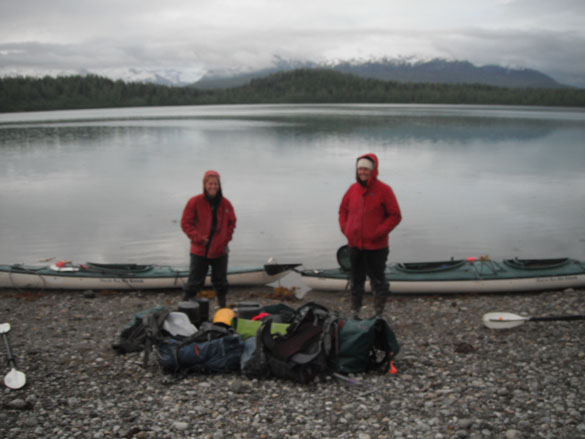
Lauren and I with all the gear

Not only was kayaking a great arm work out, it was a unique way to experience the wildlife of Glacier Bay.  We saw many birds, seals, porpoises, and even a seal lion as we paddled through the inlet.  On our first day in the field, we set up a base camp close to Muir Inlet, the location of the famous author John Muir’s cabin.  After working in this area for a couple of days, we packed up a modified camp and paddled deeper into Adams, with the tide of course!

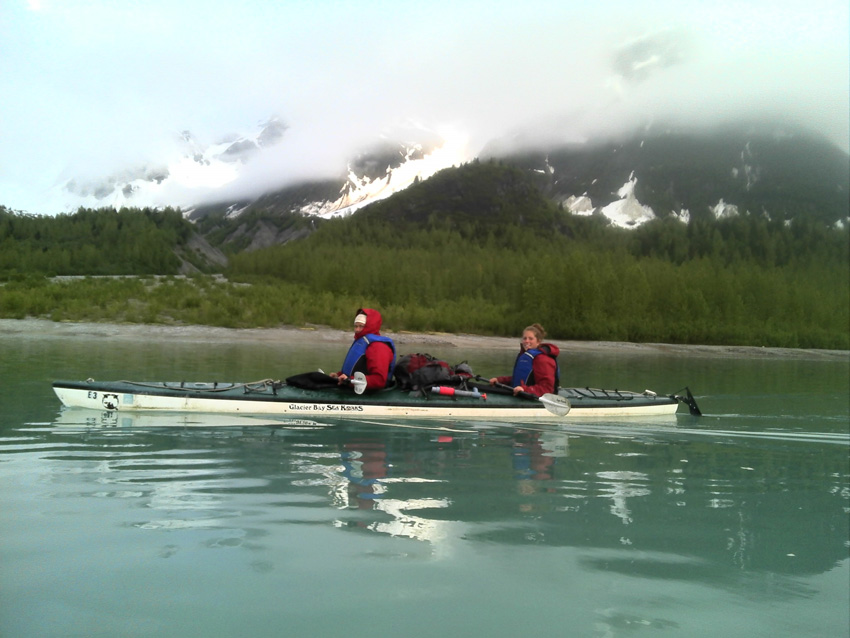
Lauren and I just offshore in our expedition sized kayake

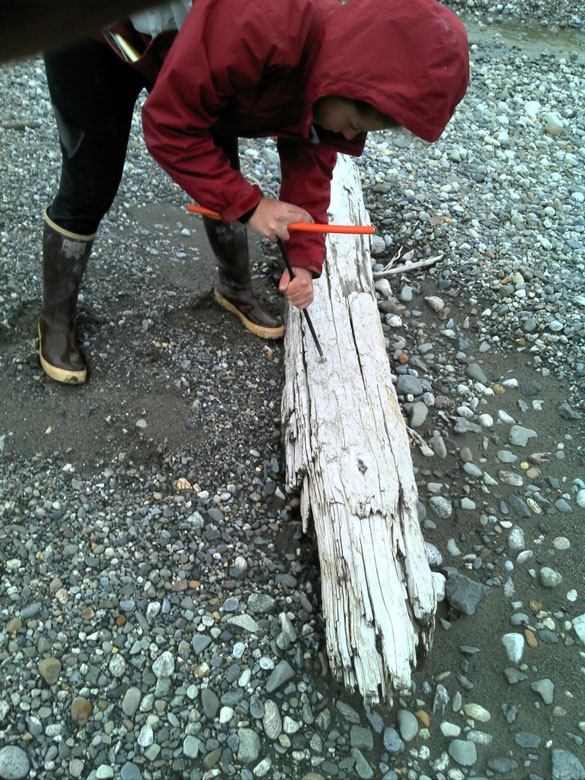
A large part of our fieldwork was to collect cores from ancient trees.  We hope to uses these cores, as well as some samples we gathered for radio carbon dating, to gain a better understanding of the glacial history of Adams Inlet.  Our hope is that the dates these trees will provide will correlate with the sediment and stratigraphy found in the various exposures we worked in.

Lauren coring a log in the field

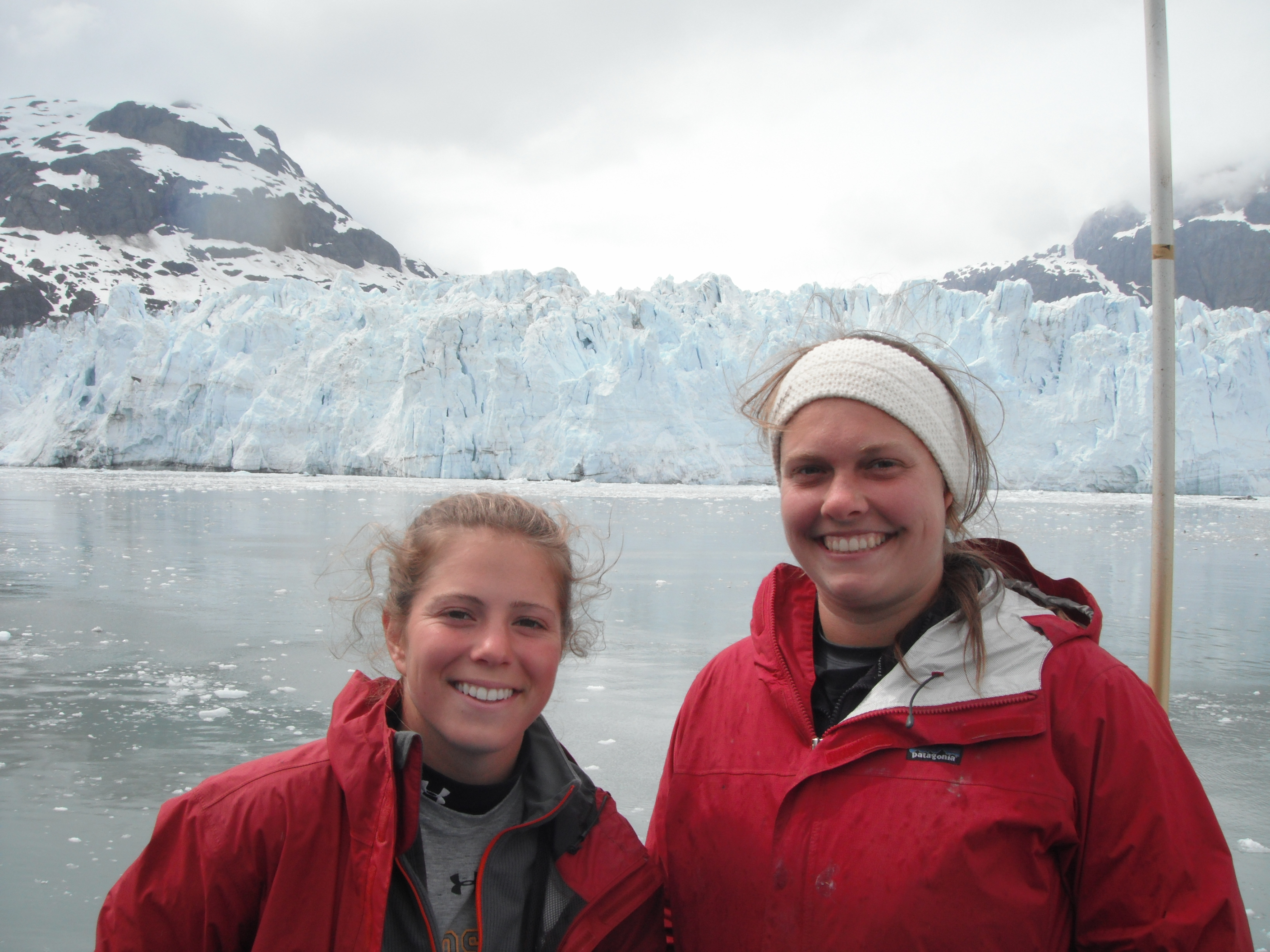
After our twelve days of working in the field Lauren and I got to take a day off.  We took a boat tour up the West Arm of GBNPP.  On the tour, we got to see even more wild life from brown bears to mountain goats.  But, most importantly we finally got to see the impressive and dynamic glaciers of GBNPP.

Lauren and I in front of the Margerie Glacier

Going to GBNPP was an experience I will never forget.  Not only did I learn how to properly defend my self from bears, pitch a tent, core trees, and kayake, I learned what it takes to perform real geologic fieldwork. Senior I.S. has just started and I am already learning skills I will take with me after graduation.

I would like to give a special thanks to both Lauren Vargo and Dr. Wiles for making this experience so great, as well as the National Park Service and National Science Foundation for all their support.

Posted in Uncategorized | Tagged | 4 Comments

From the Desert to the Rainforest: Heading to Alaska

(Guest Blogger: Lauren Vargo)

From the desert to the rainforest, several other Wooster geologists, Dr. Greg Wiles, Jenn Horton, and myself, traveled to southeast Alaska. The main goal of the trip was to investigate Adams Inlet in Glacier Bay National Park and Preserve where we planned to use tree rings and stratigraphy to gain a more detailed geologic history of the Inlet.

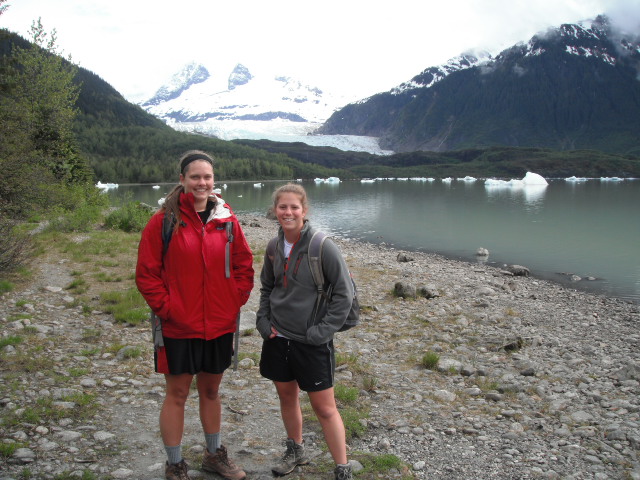
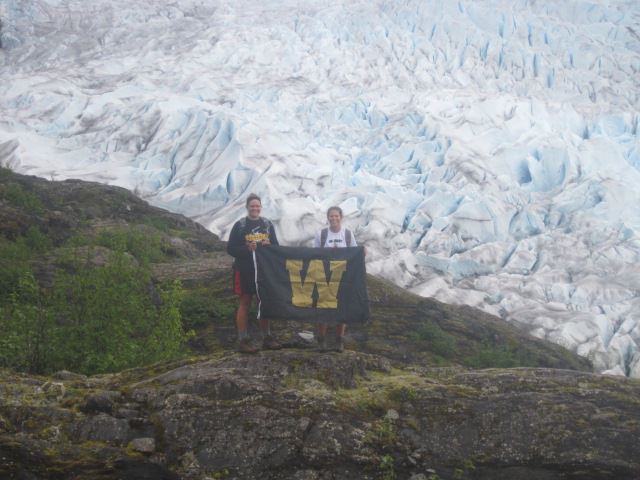
However, our journey started (and ended) in Juneau with hikes up to and around Mendenhall Glacier. On our first day in the capital city, we took a leisurely hike up to the Glacier where we ate lunch near the terminus and saw first-hand glacial calving.


Jenn and I at the start of our hike up to Mendenhall Glacier


Jenn and I with the Wooster flag at Mendenhall Glacier


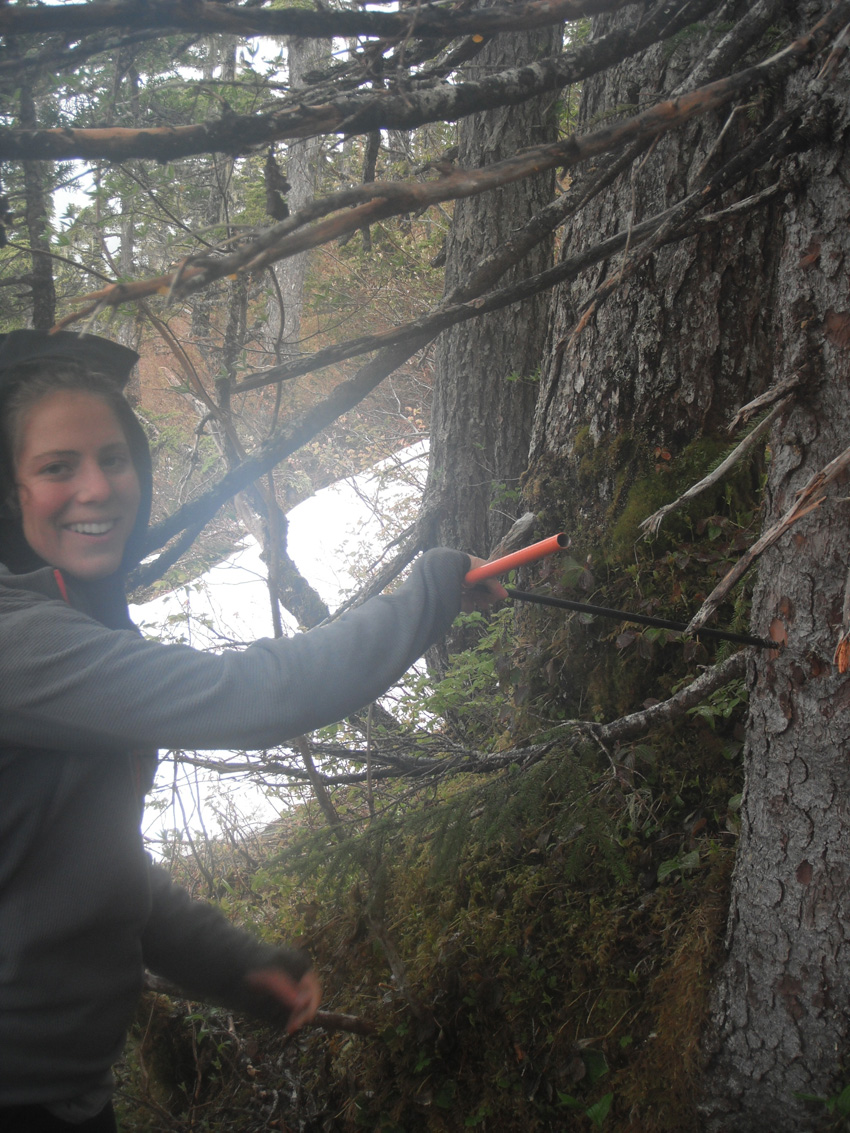
On our last day in Alaska, instead of hiking to the Glacier, we hiked up to the snow near tree line. We cored mountain hemlock trees for samples to send to a Swiss group to do isotope research, as well as to update our existing chronology.


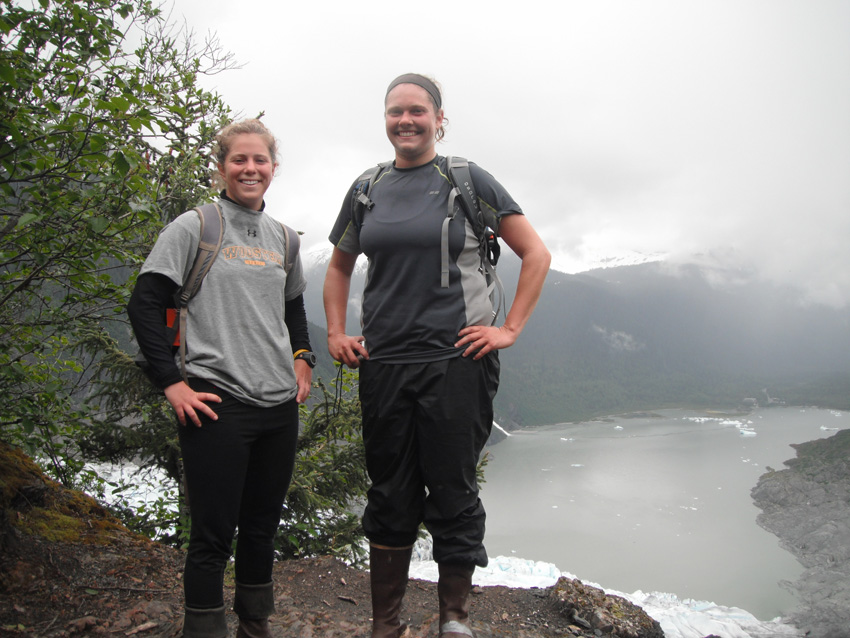
Jenn and I above Mendenhall Glacier, hiking up to tree line


Coring a mountain hemlock tree


In between these excursions in Juneau, we traveled to Adams Inlet, our main destination, to research and collect data for our Independent Studies. We were lucky enough to have beautiful, sunny weather on our first day in the field.


A map of Glacier Bay National Park, with Adams Inlet marked with the red star

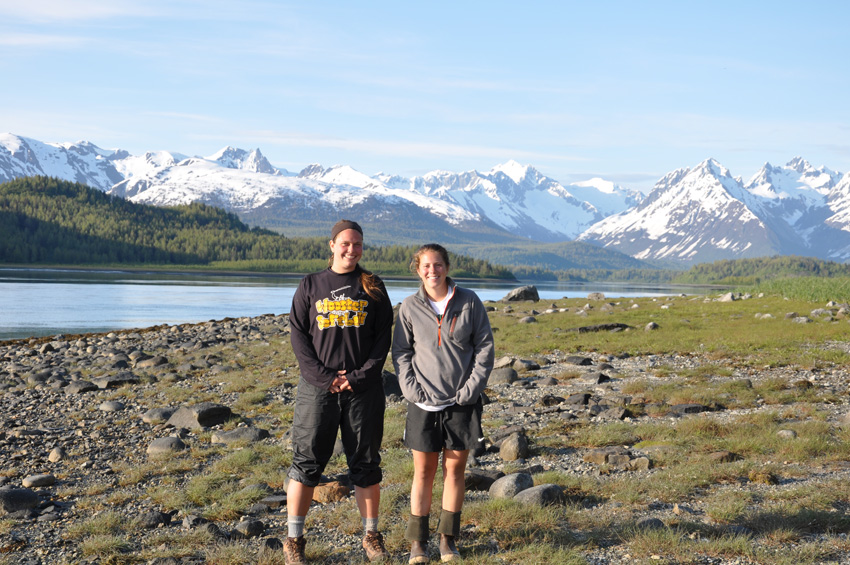
Jenn and I on our first day in Adams Inlet, enjoying the sun and clear view of the mountains


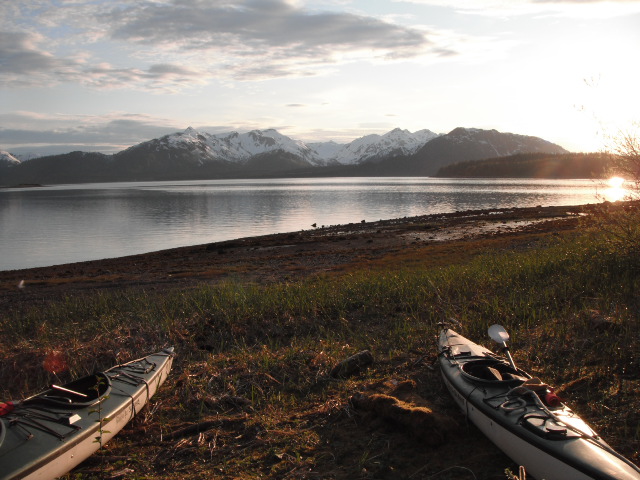
Watching the sunset on our first night in the field


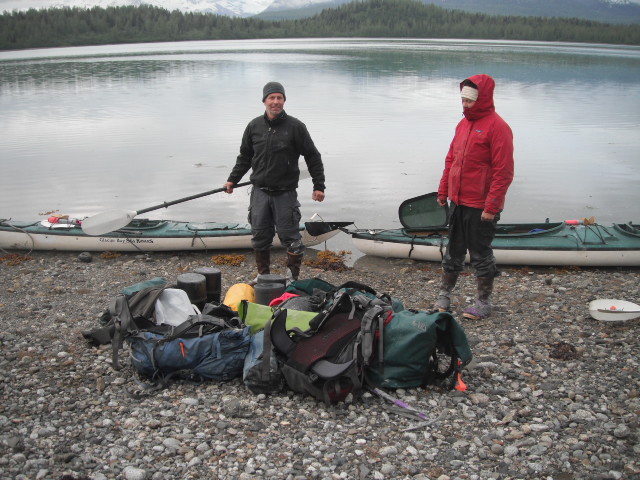
Jenn and Dr. Wiles with all of our gear and the kayaks


In the Inlet, we looked at and took careful notes of the stratigraphy of several different valleys. We spent a good deal of time using the ice axe to clear off weathered and eroded sediment exposing varves (annual layers of clay and silt deposited in lakes) and other layers, usually of sand, gravel and glacial diamict.


Glacial lake varves we uncovered in one valley


Jenn and I sitting on top of glacial lake varves with deltaic sediment and mountains in the background


Dr. Wiles clearing off sediment to expose layers of varves and oxidized sand and gravel (also, notice the mud slickenlines from mudslides in the area)


Layers of clay alternating with sand and gravel exposed by the river cutting into the sediment


A closer view of clay layers within oxidized sand and gravel


In addition to the stratigraphy, in one valley we saw an amazing matrix supported rock flow.

Check out the video here.

And a second video here. 


Posted in Uncategorized | Tagged | 3 Comments

Wooster’s Fossil of the Week: a long and skinny bryozoan (Upper Cretaceous of Wyoming and South Dakota, USA)

Please say hello to Pierrella larsoni Wilson & Taylor 2012 — a new genus and species of ctenostome bryozoan from the Upper Cretaceous (Campanian-Maastrichtian) Pierre Shale of Wyoming and South Dakota. I imagine it as a graceful little thing spreading delicately through the dark interiors of baculitid ammonite conchs on a muddy Cretaceous seafloor. Above is a fossil of Baculites formed when sediment filled the shell and lithified. The shell itself dissolved away, leaving the internal mold  of rock (or steinkern) as a kind of cast of the interior. (But don’t ever call it a “cast”!) Pierrella larsoni encrusted the inside surface of Baculites and is thus preserved as a series of connected teardrops on the outside of the internal mold. The specimen is from Heart Tail Ranch, South Dakota, and the scale bar is 10 mm. (Baculites was described in an earlier Fossil of the Week post.)

My friend Paul Taylor (The Natural History Museum, London) and I had a wonderful field trip to South Dakota and Wyoming in June 2008. We were accompanied by my ace student John Sime (who is a spectacular field paleontologist) and greatly helped by the distinguished paleontologist and ammonite expert Neal Larson (Black Hills Institute of Geological Research), Bill Wahl (Wyoming Dinosaur Center), and Mike Ross, an avid amateur paleontologist in Casper, Wyoming. We also had assistance from Walter Stein (PaleoAdventures) and the enthusiastic and knowledgeable amateur paleontologist Jamie Brezina. You can see some images from our trip here.
The primary purpose of our expedition was to find and study Late Cretaceous bryozoans. Our paper describing this work has now appeared in a special volume on bryozoan research. The specimen above on the left is from Red Bird, Wyoming, and the one on the right is from the Heart Tail Ranch in South Dakota. The scale bars are 10 and 5 mm respectively.
Above is a typical example of the Pierre Shale exposures we worked with on this trip. This particular shot is from the Chance Davis Ranch in South Dakota, but they all looked pretty much the same. We crouched down and scanned miles of “outcrop” like this, picking fossils up from the ground.

Finding ctenostome bryozoans preserved like this is unusual. They did not (and do not today) have calcareous skeletons. These Pierre specimens were somehow preserved as the internal molds formed, most likely through some process of early cementation of the mud. I described this fossil fauna and its preservation in an earlier post from a GSA meeting.

Pierrella is named after the Pierre Shale; larsoni after our colleague Neal Larson. It is nice to have locked into the name direct reminders of that delightful summer under those big Western skies.

Reference:

Wilson, M.A. and Taylor, P.D. 2012. Palaeoecology, preservation and taxonomy of encrusting ctenostome bryozoans inhabiting ammonite body chambers in the Late Cretaceous Pierre Shale of Wyoming and South Dakota, USA. In: Ernst, A., Schäfer, P. and Scholz, J. (eds.) Bryozoan Studies 2010; Lecture Notes in Earth Sciences 143: 399-412.

Posted in Uncategorized | Tagged , , , , | Leave a comment

Final Field Day

FILLMORE, UTAH – [Guest Bloggers Tricia Hall and Will Cary]

We arrived at the field site at 9:30am with the sun already beating down on the lava fields, which are the convenient color of black. Dr. Pollock, Whitney, and Kevin parted with the rest of the group to accumulate more xenolith samples for Kevin’s project. Their group was able to stay close to the cinder cone. This was not the case for the unfortunate followers of Matt Peppers, who had to make long treks across the lava flows.

Team Hot Water (Matt Peppers and followers) started by locating Chubman, the loveable fissure, and set out to track it north. We worked as rapidly as possible in the hope of retiring early from the heat of the day. As we followed the noble Chubman, we found several anastomosing gaping fissures. Some shows some displacement, which was measured by receiving third degree burns from the hot basalt.

Will and Matt measuring the width of the fissure.

Will and Tricia measuring vertical displacement of the fissure, which may indicate a relation with the local fault..

A quick break for lunch under an intense sun left us short of water. We then tried to follow the fissure system to the mapped fault. We ran into an area where basalt debris made it nearly impossible to follow the system farther. We made our way to the fault scarp nearby and measured jointing to help determine the nature of the faulting. After the tracking was done, we quickly measured a monocline along the west margin of the black flow before heading back, our water bottles empty.

Team Hot Water measured these joints along the fault scarp west of the fissure system.


Team Sandstone (Kevin and followers) travelled around Miter crater attempting to find samples not previously collected.  Kevin began the day with 18 samples and ended with 28 samples, which mean copious amounts of lab work for the young chap. STOP…Hammer time was revamped in an hour-long effort by Kevin Silver to dislodge the xenolith, affectionately named Neopolitan, from the resilient host rock. He did not succeed and resorted to smashing the xenolith with both a hammer and a mallet to analyze the pieces in the lab.

Team Utah wraps up field work for the season.

Posted in Uncategorized | Tagged , , , , | 3 Comments