


by Claire Elsie and Allie Toombs, with contributions from other Paleoecology students.
On Saturday, November 8th, Dr. Lyon’s paleoecology class visited the Cleveland Museum of Natural History for inspiration for our own museum project. We explored the exhibits and analyzed their strengths and weaknesses. This allowed us to gain valuable insight into museum design, along with increasing our knowledge of topics we learned in class.
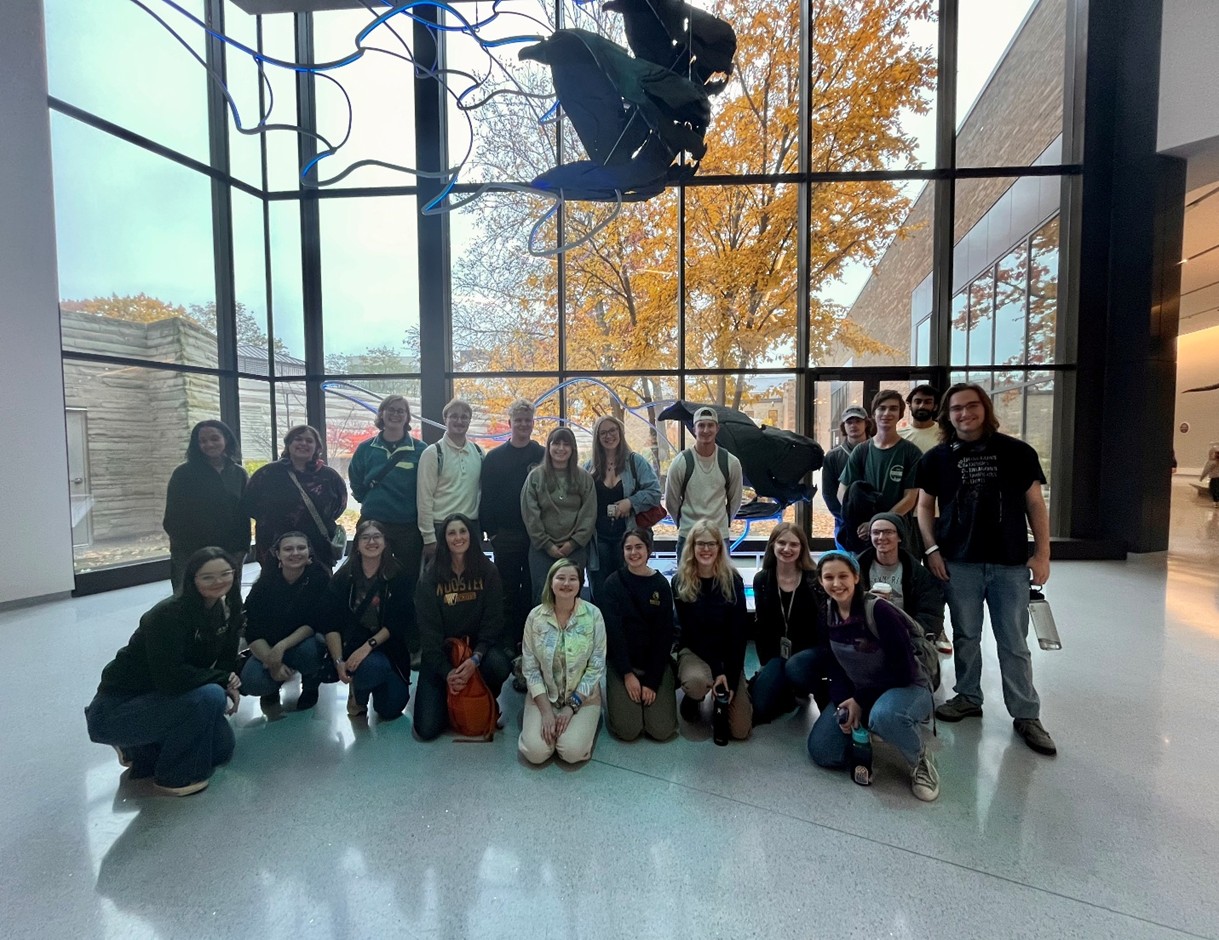
Figure 1. The 2025 Fall Paleoecology class at the Cleveland Museum of Natural History with Ohio’s famous fossil fish, Dunk (Dunkleosteus)!
Dunk has become a mascot for the class, with its charismatic features and deep Ohio significance.
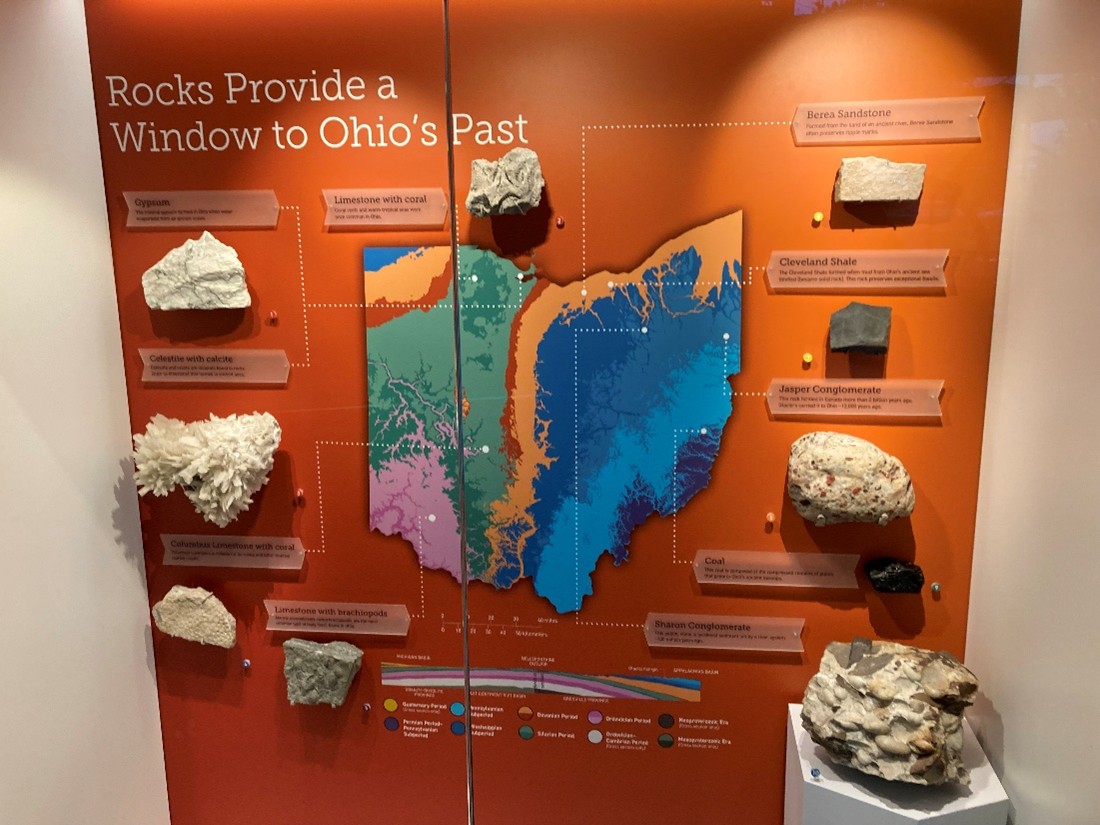
Figure 2. An exhibit describing ancient rocks and fossils of Ohio, with a geologic map.
This exhibit provided details on local paleogeography, and the map specifically allowed viewers to connect with places they are familiar with. The display uses vibrant color and intentionally well-placed labeling which draws people in. This is a great inspiration for our own wall art and display design!
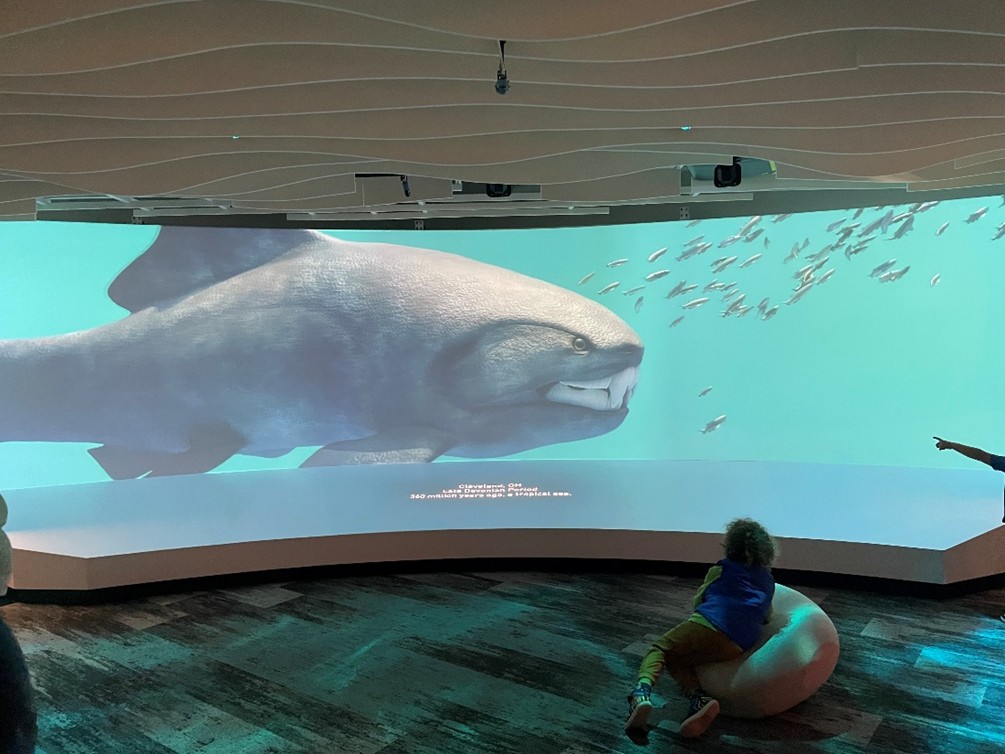
Figure 3. An immersive animated exhibit that brings the prehistoric oceans to life, showcasing ancient predator and prey relationships. It cycles through numerous facts about our favorite fossil fish, Dunkleosteus!
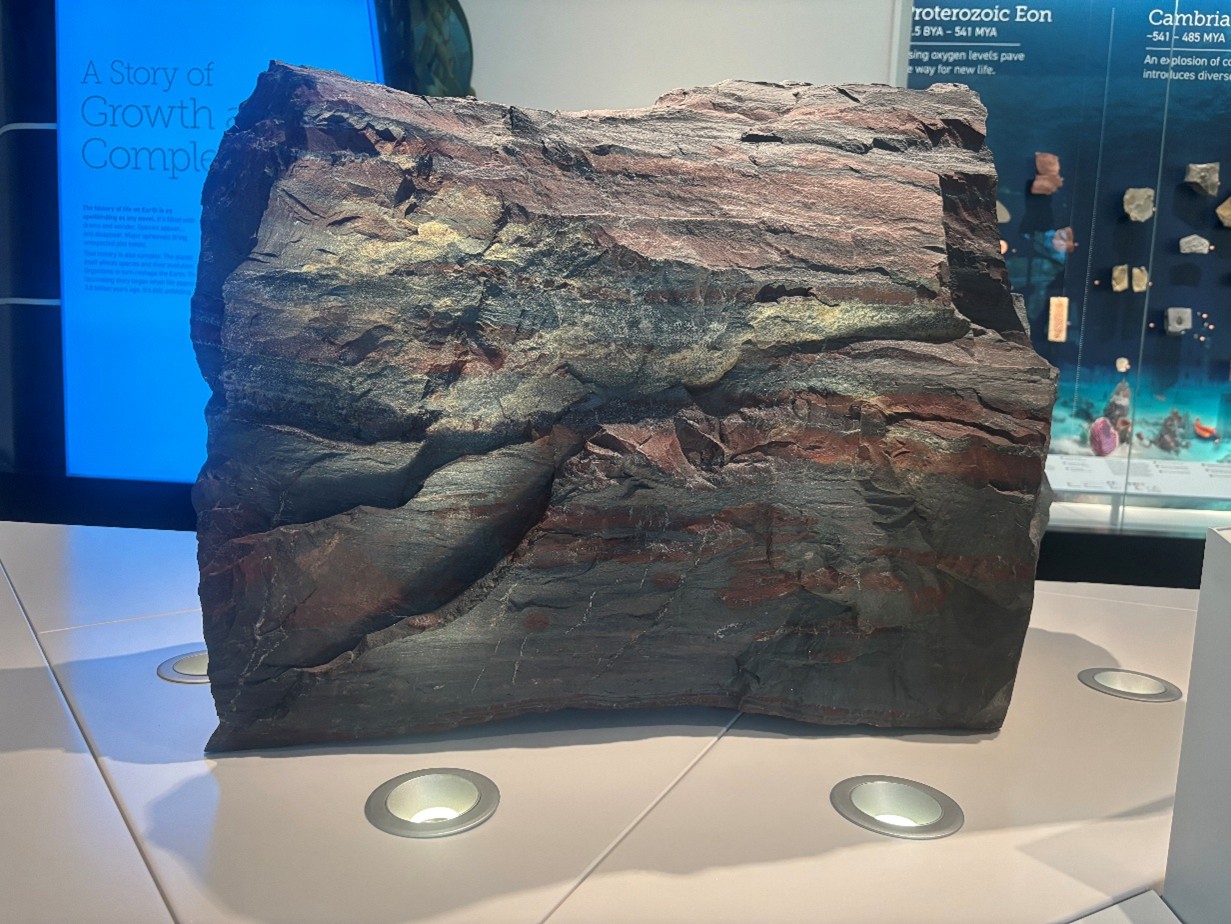
Figure 4. Banded iron formation (BIF) specimen, exemplifying what we learned in class!
Banded iron formations are formed of alternating layers of chert and hematite or magnetite and reflect the presence or absence of free oxygen. As oxygen becomes more abundant in the atmosphere, free iron in the water is oxidized, and BIFs form less.

Figure 5. A display featuring a dinosaur fossil and trace fossil footprints, along with paleoart in the background.
This display does a great job of integrating different display types and sizes, and the paleoart helps bring it to life. This is a wonderful example of a well-designed exhibit and great inspiration for our Scovel display.
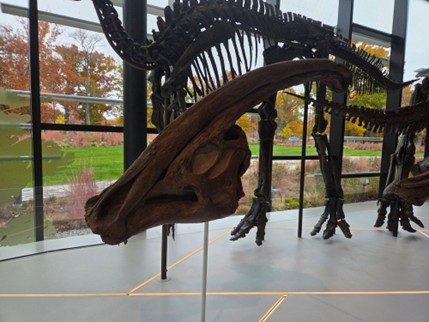
Figure 6. Fossil of the Parasaurolophus, which the class learned about in a case study presented by class TA, Taylor Grant.
Parasaurolophus were herbivorous bipedal dinosaurs that lived in the swamps and dense forests of the last Cretaceous. Fossils have been found in Alberta, Canada, Utah, and Mexico. The crest, as seen in the fossil, is actually an elongated nasal cavity! This was a great learning experience and allowed us to apply topics and ideas learned in class.
Nicely done, 2025 Paleoecology class! You’ve had so many excellent paleontological opportunities this semester. I am so pleased that paleo is thriving at Wooster. Hope you enjoy the coming spring semester as much as you did the fall!
Great turnout Dr. Lyon – thank you.